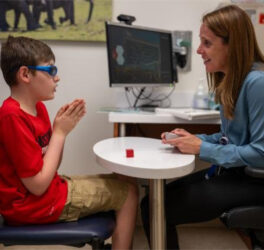
Specialist resource centers (a form of ‘Inclusion Base’) within mainstream secondary schools may be linked to stronger academic progress, improved attendance, and a greater sense of belonging for autistic pupils, according to a new three-year study from the University of Surrey.
However, the research suggests that placement alone does not determine wellbeing. Instead, pupils’ perceptions of teacher and peer support were the strongest and most consistent predictors of positive adjustment.
Researchers followed 119 autistic pupils, aged 11–14 years old, across seven mainstream secondary schools, comparing three types of provision: placement in a specialist resource centre (SRC), mainstream placement in a school that hosted an SRC, and mainstream schools without an SRC. Outcomes were compared across psychological wellbeing, social inclusion, belonging, academic progress, attendance and exclusion.
Dr Anna Cook, a Developmental Psychologist from the University of Surrey, said:
“For some autistic pupils, mainstream school environments can be overwhelming due to noise, sensory demands and social pressure. Specialist resource centres offer a quieter, more supportive space, with higher staff to student ratios helping pupils stay engaged in their education.”
Researchers found that while autistic pupils in SRCs had similar levels of wellbeing to those in other types of schools, specialist resource centres did show potential advantages in key areas including higher academic attainment, stronger sense of school belonging, higher perceived teacher support and smaller attendance gaps (relative to whole-school averages) compared to national benchmarks for autistic pupils.
Interestingly supportive relationships were the strongest predictors of positive outcomes. Perceived peer support was most strongly associated with reduced internalising symptoms, fewer peer problems, greater happiness, stronger friendships and increased flourishing.
It was also found that teacher support was the strongest predictor of school belonging and was also associated with increased flourishing and fewer peer difficulties.
Dr Cook concluded: “Debates around inclusive education often focus on whether autistic pupils should be educated in specialist or mainstream settings. The findings suggest that this may be the wrong question. Policy decisions focused solely on placement will always be incomplete. Specialist resource centres may offer advantages – particularly for belonging and academic equity – but what matters most is whether schools cultivate supportive relationships and autism-affirming environments.
“Improving outcomes for autistic pupils may depend less on where they are educated, and more on how well they are supported within that setting.”
This study was published in the journal Autism.