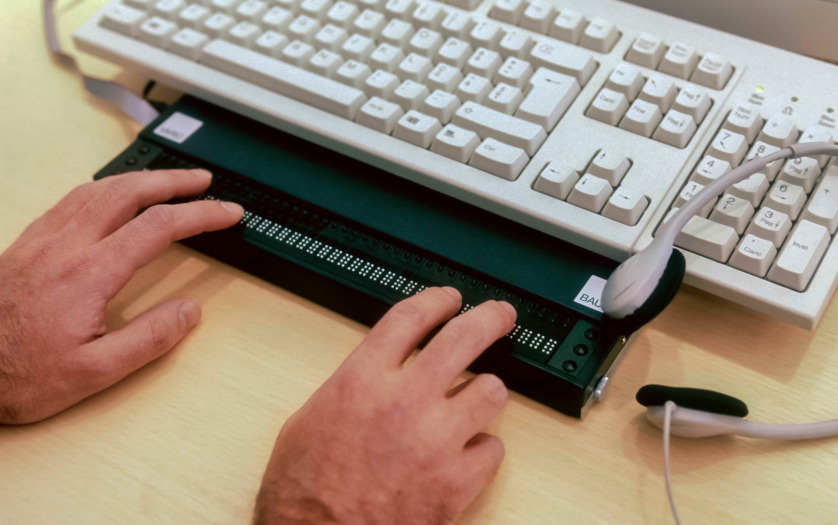
Marceline Gato, 26, is finalising her Bachelor’s Degree in Journalism and Communication at the University of Rwanda, The New Times reports.
When Gato was seven years old, she developed a very big cyst on her temple. Her parents feared for her life, but a few days later, it disappeared. She then lost her sight, and although no one knew what happened, her family thinks it was caused by the cyst. Gato and other people who are visually impaired face a range of challenges; not finding braille books in libraries, not being able to cross roads without a helper, and not being able to go to new places without aid, among others.
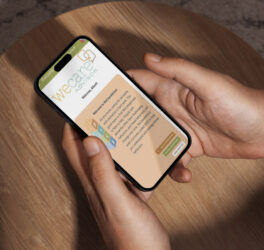
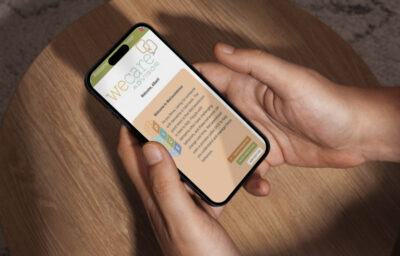
However, as the world is at the climax of innovation, people with disabilities are also getting solutions that help them in their daily lives through technology. For the visually impaired, they can now use smartphones in reading soft books, calling, sending text messages, using social media, among other services. They use accessibility services for operating systems, which help blind users interact with their devices more easily. The screen reader software adds spoken, audible and vibration feedback to their devices.
These voice-over applications range from operating systems. For Gato, she uses ‘TalkBack’ a free screen reader app for Android. She explained to The New Times how she uses her phone. “You touch and listen to what the voice says. If it’s an application you’re looking for, maybe Facebook, you slide through the application. When you reach Facebook, you double click, and it opens.”