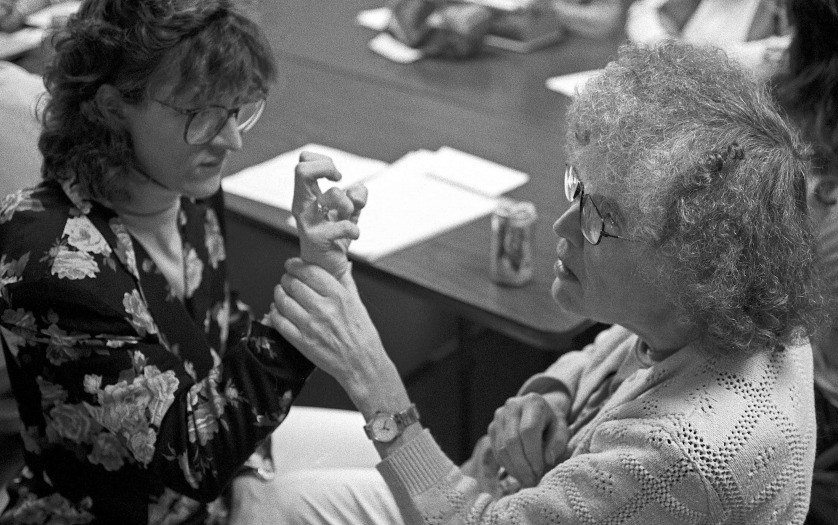
A new initiative will improve the quality of life for British Columbians living with hearing and vision disability, which is known as deafblindness.
CNIB Deafblind Community Services, a non-profit organization that provides support to Canadians who are deafblind, will use $740,000 in provincial funding over two years to hire four specially trained staff known as intervenors to work with clients one on one.
“June is Deafblind Awareness Month in B.C., which is a good time for all of us to become more aware of the barriers that people who are deafblind face, as well as the unique services that help them better access the world around them,” said Nicholas Simons, Minister of Social Development and Poverty Reduction. “This funding for intervenor services will help address communication challenges and provide critical supports for individuals who are deafblind so they can stay connected in their communities.”
CNIB Deafblind Community Services is one of Canada’s leading providers of specialized services for people who are deafblind to help them maximize their independence and engagement. The organization estimates that approximately 1,033 British Columbians are deafblind.
“While Deafblind Awareness Month is an opportunity to recognize and celebrate the contributions that individuals who are deafblind make in communities around B.C., it’s also a chance for us to ask if we are doing enough to address barriers for the deafblind community,” said Dan Coulter, Parliamentary Secretary for Accessibility. “It’s our goal, as we continue to implement the Accessible B.C. Act, to make sure that people who are deafblind have every opportunity to work, learn and contribute to the best of their ability.”
Intervenors are trained to act as the eyes and ears of a person who is deafblind, making it easier for them to navigate day-to-day activities such as grocery shopping, banking and attending doctor’s appointments. Different from sign-language interpreters, intervenors relay visual information about a client’s surroundings to them using the client’s preferred communication methods, which may or may not include sign language.
“We at CNIB Deafblind Community Services are thrilled to be moving into B.C. to help British Columbians who are deafblind increase their independence and engagement with the world around them,” said Sherry Grabowski, vice-president, CNIB Deafblind Community Services. “Intervenor services are not just nice to have but are imperative to the well-being of people who are deafblind, and we could not be more pleased to be bringing this vital service to many people in B.C. who need it.”
Providing the right tools and services for people who are deafblind is just one way government supports lives lived fully with independence, purpose and dignity. Raising awareness about deafblindness and shifting people’s attitudes are important elements of removing barriers and creating a more accessible and inclusive province for everyone.