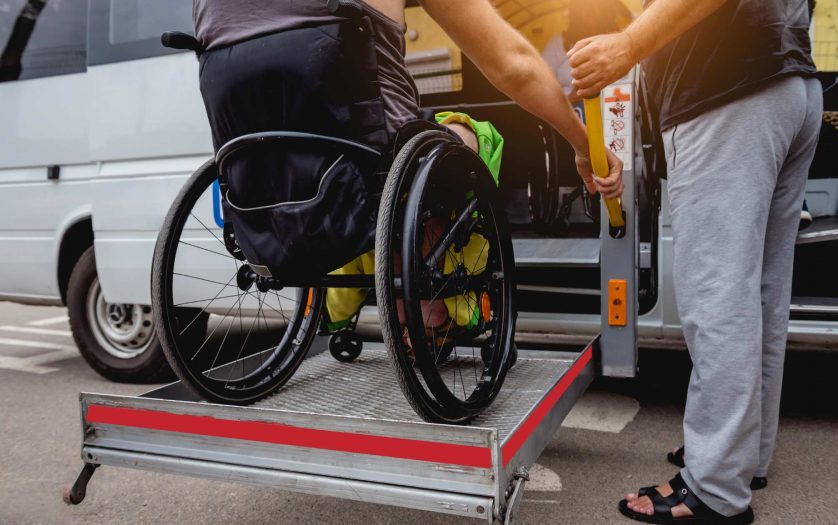
With the recent announcement of the Multi-Purpose Taxi Program (MPTP) being extended to Uber, Rod Barton believes it is more important than ever to ensure that there is sufficient protection in place for persons with disabilities. This motion intends to do just that.
For years, the MPTP has been carried out successfully by the taxi industry. It is Mr Barton’s firm belief that the decision to allow Uber, as they currently operate, to service work through the MPTP puts the rights, welfare and security of vulnerable citizens, and could place them in jeopardy.
Taxis are required to have fixed, tamper-proof cameras and fixed in-vehicle GPS tracking devices that are designed to protect passengers and drivers. Uber has no such requirements.
It is the government’s responsibility to consider what recourse a passenger with disability may have without deterrents provided from a tamper-proof camera and GPS tracking. Are those most vulnerable to be taken advantage of this easily?
If the MPTP program is to be extended, there must be a thorough investigation of up-to-date safety standards that can protect vulnerable passengers.
Barton believes we are failing the passengers in the MPTP program if we cannot take legitimate action to ensure they are safe from injury, abuse and exploitation.
That is why Rod Barton asked the government to put an immediate freeze on the decision to expand the MPTP:
- A review is conducted of minimum safety requirements for vehicles operating within the MPTP scheme.
- Consideration is given to mandating maximum fare rates across all MPTP work as applied to the taxi industry now.
- It can be explained how the rorting and exploitation of vulnerable users will be prevented.
- The financial impact to services within the broader disability sector is properly assessed and managed.
- The industry is back on its feet post-COVID and can better absorb such a major change.
- Proper probity and good governance are applied following careful consideration and reporting of all possible ramifications for consultation from both industry and disability stakeholders.
“This is a no brainer. The safety of those with disabilities should be absolutely paramount when deciding who can provide them with transport services and under what conditions.” said Rod Barton MP.
“How could the government let our most vulnerable citizens be subject to the possible predatory behaviours, without requiring as little as a tamper-proof camera or fixed GPS tracking to act as a deterrent?”