Silent injustice: A blind pedestrian’s legal travesty

Imagine walking home from work in Littleton CO, wearing a bright orange jacket and carefully navigating a city-owned sidewalk: 160 foot long driveway with your white cane. Without warning, a vehicle traveling 35 miles per hour strikes you from behind. You are thrown 45 feet onto the pavement, sustaining catastrophic, life-altering injuries.
Now, imagine standing in a courtroom and being told the collision was entirely your fault. This is not a hypothetical scenario; it is exactly what happened to me. It is a story of physical trauma, but more profoundly, it is a story of a legal system that failed to protect the basic constitutional rights of a disabled citizen.
During my trial, the defense argued that my “negligence” stemmed from the simple act of trying to live an independent life. Insurance suggested that my bright orange coat was insufficient, that I should have taken a different bus route, or perhaps not navigated my own city without a sighted escort. I was denied the legal privilege of having a jury hear bodily damages.
By taking these arguments to their logical conclusion, the courts sends a chilling message to the disabled community: your safest and most legally acceptable option is to stay home.
This verdict fundamentally ignores the reality of inaccessible infrastructure. The driveway where I was struck lacked ADA compliant tactile warnings, discernible slope, and change in surfaces. Rather than holding the driver accountable to a standard Duty of Care, the universal responsibility to watch for pedestrians and avoid collisions, the blame was shifted entirely onto the victim.
This incident is not merely my personal narrative; it mirrors the historical and ongoing marginalization experienced by the disabled community. When courts entertain arguments suggesting that blind individuals should remain confined to their homes, avoid independence, and only move under escort or in reflective gear, they inadvertently reinforce the barriers the law was meant to dismantle. The 14th Amendment guarantees equal protection under the law, while the ADA and the Rehabilitation Act were established to ensure that disability does not equate to invisibility. However, my experience illustrates how easily these promises can be eroded.
I share my story to seek justice, find legal help, but also to spark a dialogue about systemic change. Pedestrians with disabilities should not be compelled to choose between independence and being homebound. Insurance and drivers must be held accountable for the duty of care entrusted to them. Our courts must uphold the rights of all citizens equally without prejudice, without dismissal, and without the silent cruelty of indifference.
Where in the U.S. Constitution does it state that disabled individuals have different standards of justice? When courts allow discriminatory arguments to sway a jury, they roll back decades of progress, quietly suggesting that blind citizens should be treated as “separate but equal.”
Driving is a privilege that comes with the legal responsibility to protect human life. Walking safely in one’s own community is a fundamental right.
My fight is no longer just about one tragic evening. It is a plea for accountability and a call to ensure that our justice system upholds the constitutional rights of all citizens. We must demand change, so that no one is ever penalized in a court of law simply for daring to navigate the world.
About the Author
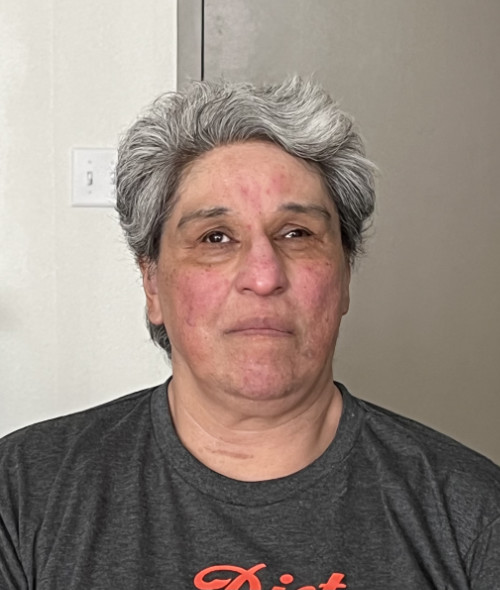
A business woman with a wonderful husband, working towards a new business venture in the field of education.
Featured Stories
-
 December 3rd – A Day of Dignity, Rights, and Shared Humanity
-
 What living with cerebral palsy means to me
-
 Changing attitudes starts with inclusion: disability belongs in public life
-
 Beyond awareness – Developmentally disabled people need protection
-
 Limiting the vote for individuals with intellectual disabilities is limiting democracy