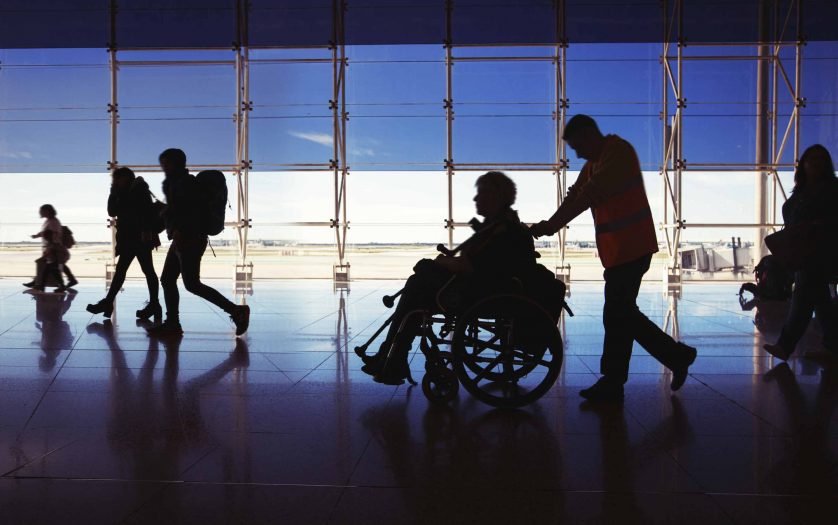
From 3 to 5 November 2022, the Disability Royal Commission engagement team hosted two online workshops focused on the experiences of violence, abuse neglect and exploitation of persons with disability using domestic air travel and in airports.
The sessions were in response to recent months of media and public scrutiny as well as feedback directly to the Royal Commission that this was a topic that required exploring. The engagement sought to identify recommendations for change in accessibility to the air travel industry for people with disability.
Over 60 participants attended the sessions including Paralympian Karni Liddell, journalist Zoe Simmons and representatives from multiple disability support organisations.
These are the largest online facilitated community engagement sessions held by the Royal Commission to date.
‘These workshops provided a valuable opportunity to hear directly from people impacted by inaccessible systems, procedures and infrastructure in the air travel industry and to discuss ways to improve it’, said Tamara Weaver, Director of Community Engagement at the Royal Commission.
‘Airlines are good at “dehumanising” people with disability,’ said one participant. ‘[W]hen issues are brought to them, they are easily dismissed and not taken seriously.’
Disability Advocate Zoe Simmons said, ‘Our stories just get swept under the rug. We get told we are the problem. People don’t realise how widespread the problem is.’
Some of the key insights arising from the workshops included:
- People with disability being seen as an afterthought amid flight cancellations.
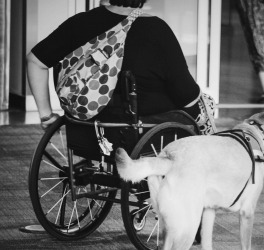
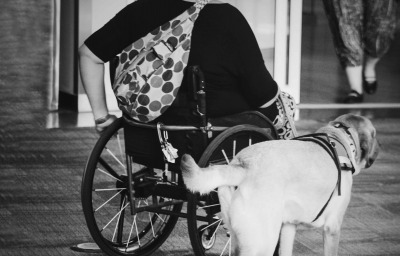
- Experiences of discrimination against people with disability who use assistance dogs. Participants discussed the refusal of being allowed to travel on flights while accompanied by assistance dogs.
- Lack of accessible flight options and carriers in regional and remote locations.
- Most aircraft limiting the number of wheelchairs in a cabin to two.
- Not all aircraft having the ability to carry on-board wheelchairs.
- Extended and unreasonable wait-times and hold times when checking into flights to ensure accessibility requirements are met.
- Denial and/or lack of access to necessary information and support pre-flight, to better support people with disability.
- Lack of access to timely and appropriate responses by Airlines, with participants reporting experiences of being ‘silenced’ and or ‘dismissed’.
A summary of the outcomes of the workshops will be developed and provided to the Royal Commission as a submission.