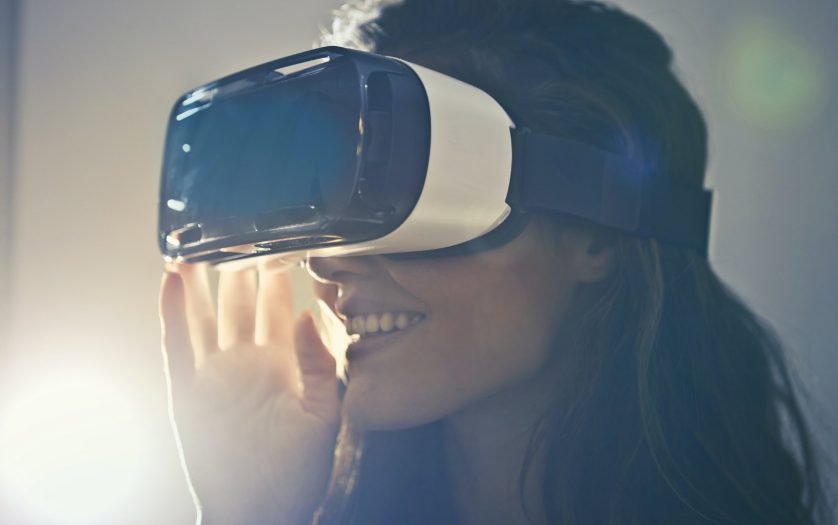
The Massachusetts Rehabilitation Commission (MRC) is supporting a pilot project that will merge virtual reality (VR) with vocational rehabilitation training.
Project (VR)² will partner with the expertise of Viability Inc., Bodyswaps, Link To VR and Cleanbox Technology to virtually support people with disabilities in improving their job interview skills.
VR training has become extremely popular in the emergency medical services, with its potential being tested for specialized trainings. Its value in supporting people with disabilities is also becoming more evident. For example, researchers are exploring the impact of VR on children with ADHD.
The project arose from the COVID-19 pandemic, according to Kristin Rotas, program director for Viability. The move to virtual learning and the increased use of video conferencing platforms, like Zoom, have been taking a toll on the overall program engagement, she explained.
When MRC offered funding for additional technology, Rotas thought VR might reignite that engagement. The funds were used to purchase four Oculus Quest 2 headsets to enhance job readiness training, in addition to 30 iPads.
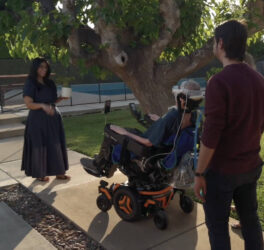
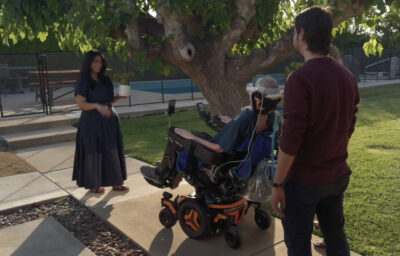
To start, the focus for the program will be on younger individuals between the ages of 14 – 22, but older adults will be able to participate as well. First, participants will be given a VR demo to familiarize them with the technology. Then, the participants will sit across from an avatar in a virtual space, during which they will interact and answer questions that they would be asked during a typical job interview.
The computer will note if specific keywords were used in the participant’s responses; then, participants can complete the training again to try to include the additional keywords.
Progress is assessed in a number of ways, Rotas explained. Participants complete an assessment pre- and post-training, answering questions about their comfort level. A facilitator is also able to see on a TV what the participant is seeing in the headset, which Rotas added, is a useful tool if guidance or support is needed.
MRC’s collaboration in the project was solidified after Viability shared their vision for VR’s potential and the agency agreed that it was an initiative worth funding, said Joan Phillips, assistant commissioner for vocational rehabilitation and workforce development.
Bodyswaps, a company that had been developing software and modules to help people learn employment skills, partnered on the effort to help design and develop the modules. Link To VR acted as consultants to support the project launch. The final collaborator was Cleanbox Technology, who ensured that the equipment could be used safely according to COVID-19 protocols.
“Vocational rehabilitation assists individuals with disabilities to obtain and maintain employment,” said Phillips. “So, [with] the funding that we provide to any organization, the focus has to be on this population and assisting them to access the workforce.”
Technology is one tool that aid people with disabilities to live and work independently, Phillips said. She added that VR can increase engagement for young people because “this generation was born with technology embedded in their DNA.”
“By participating in this virtual reality, it’s an opportunity for these individuals to go through an interview process, get feedback regarding that process, and get help to address some of the issues that are identified in a way that gamifies it,” Phillips stated. “It takes away the anxiety by making it much more fun.”
Phillips explained that this technology will help people with autism, for example, who may struggle to make consistent eye contact. With the VR module, she said, participants can practice repeatedly while receiving valuable feedback to increase their confidence and get used to the job interview process.
Rotas stated that Bodyswaps is looking to develop avatars with disabilities in the future to better represent the people who will be participating in the VR training.