A new machine learning model can predict autism in young children from relatively limited information. This is shown in a new study from Karolinska Institutet published in JAMA Network Open. The model can facilitate early detection of autism, which is important to provide the right support.
The research team used a large US database (SPARK) with information on approximately 30,000 individuals with and without autism spectrum disorders.
By analyzing a combination of 28 different parameters, the researchers developed four distinct machine-learning models to identify patterns in the data. The parameters selected were information about children that can be obtained without extensive assessments and medical tests before 24 months of age. The best-performing model was named ‘AutMedAI’.
Among about 12,000 individuals, the AutMedAI model was able to identify about 80% of children with autism. In specific combinations with other parameters, age of first smile, first short sentence and the presence of eating difficulties were strong predictors of autism.
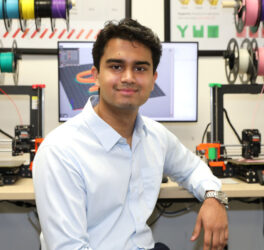
“The results of the study are significant because they show that it is possible to identify individuals who are likely to have autism from relatively limited and readily available information,” says study first author Shyam Rajagopalan, an affiliated researcher at the same department at Karolinska Institutet and currently assistant professor at the Institute of Bioinfomatics and Applied Technology,India.
Early diagnosis is critical, according to the researchers, to implement effective interventions that can help children with autism develop optimally.
“This can drastically change the conditions for early diagnosis and interventions, and ultimately improve the quality of life for many individuals and their families,” says Shyam Rajagopalan.
In the study, the AI model showed good results in identifying children with more extensive difficulties in social communication and cognitive ability and having more general developmental delays.
The research team is now planning further improvements and validation of the model in clinical settings. Work is also underway to include genetic information in the model, which may lead to even more specific and accurate predictions.
“To ensure that the model is reliable enough to be implemented in clinical contexts, rigorous work and careful validation are required. I want to emphasize that our goal is for the model to become a valuable tool for health care, and it is not intended to replace a clinical assessment of autism,” says Kristiina Tammimies.
The study was funded by the Swedish Foundation for Strategic Research, Hjärnfonden and Stratneuro.