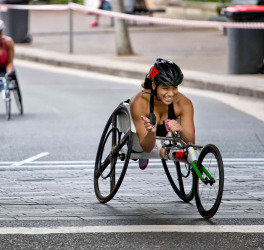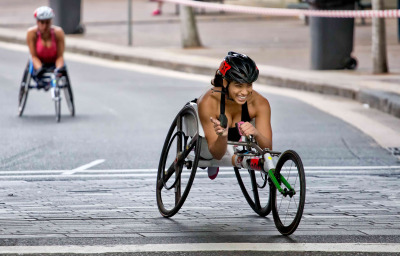
As Italy prepares to host the Milano-Cortina 2026 Winter Paralympics, accessibility gaps across Italy are drawing mounting criticism, disability advocates warning that inaccessible infrastructure risk undermining the spirit of the Games. As one activist told AFP, “just getting across the street in Rome can feel like an Olympian task for wheelchair users.”
Italy’s government and Paralympic organisers have invested tens of millions of euros in making the venues and areas around the Milan-Cortina Games more accessible for persons with disabilities.,
But the story is not the same across Italy, particularly in the capital Rome, known as much for its uneven roads and anarchic parking as for its ancient ruins. Advocates say everyday accessibility beyond the sporting spotlight remains deeply flawed.
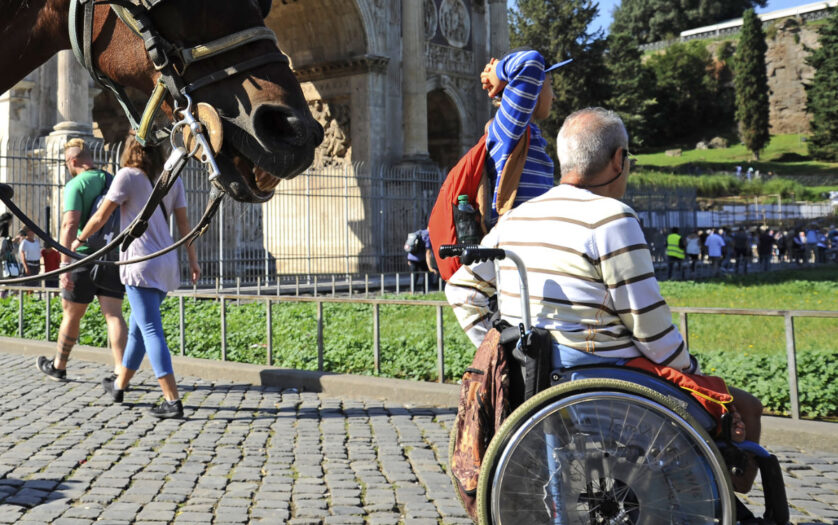
In Rome, wheelchair users face persistent barriers including uneven cobblestones, broken pavements and steep kerbs. “Sometimes, it’s just easier to ride on the road,” said Alessandro Bardini, a 48-year-old lawyer, as he navigated the high kerb and cobbles of the City. Bardini has argued that moving through parts of the historic capital can feel like an “Olympian task,” underscoring the daily obstacles faced by persons with mobility disabilities.
Bardini was left paraplegic after a motorcycle accident in 1998, and is now an activist for disability rights.
Public transportation presents a similarly mixed picture. Although many metro stations have lifts, others still rely on stairlifts or remain inaccessible, limiting independent travel for persons with disabilities. Advocates say that while the event venues may meet international standards, broader urban infrastructure improvements are progressing too slowly.
With the Paralympics symbolizing resilience and inclusion, disability advocates insist that accessibility must extend beyond event venues and accessibility improvement after the closing ceremony.