In today’s fast-evolving technological setting, the impact of technological progress on openness for individuals with disabilities cannot be highlighted enough. From the humble beginnings of smartphones to the details of assistive devices, technology has reshaped the world around us, providing new opportunities and breaking down blocks for people with disabilities. Let’s delve deeper into the transformative power of technology and its profound effects on inclusivity.
Expanding Horizons with Assistive Technologies
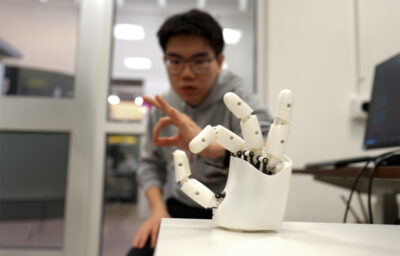
Assistive technologies represent a different array of devices and software designers to meet the unique needs of people with disabilities. Whether it’s screen readers for people with vision disabilities or voice recognition software for those with mobility disabilities, these technologies serve as spurs for leave, enabling users to network with the digital land on their own terms.
Breaking Communication Barriers
In an era subject to digital communication, openness is top. Thanks to open communication tools like text-to-speech and other input devices, individuals with speech or hearing disability can now engage in all-in-one communication, copying meaningful connections and pull-to-piece communication blocks.
Liberating Mobility with Innovative Devices
For individuals with mobility disability, technology serves as an ideal of hope, offering a lifeline through motion aids and devices. From state-of-the-art powered wheelchairs to radical exoskeletons and electric wheelchair, these innovations redefine mobility, granting users the freedom to cross their settings with matchless ease and independence.
Empowering Through Education
Education lays the foundation for leaving, and technology has changed the educational setting for individuals with disabilities. Education and learning tools such as communication software and adaptive learning platforms supply various learning needs, and make sure that everyone has equal access to educational opportunities and the chance to thrive mentally.
Redefining Employment Opportunities
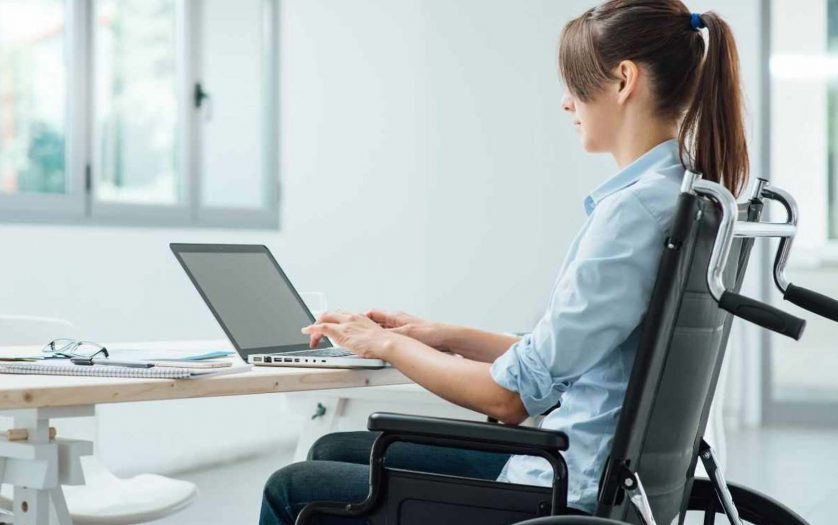
Gone are the days when individuals with disabilities faced impossible walls to employment. Thanks to technology, employment chances have felt an example shift, with remote work and teleworking emerging as practical options. Assistive technology and complete work practices pave the way for greater work inclusivity and range.
Enhancing Independence with Smart Home Technology
The start of smart home technology messengers a new age of independence for individuals with disabilities. From voice-activated helpers to smart appliances and stair lifts, these advances transform living spaces into hubs of openness, making daily tasks handier and allowing users to live life on their own terms.
Bridging Gaps in Transportation
Crossing transportation walls can be daunting for individuals with disabilities, but technology is razing the playing field. Passage solutions such as ride-sharing apps and wheelchair-accessible trucks ensure that everyone can travel safely and independently, fostering greater motion and freedom.
Revolutionizing Healthcare Access
Contact with healthcare is a major right, and technology is joining the gap for individuals with disabilities. Healthcare advances like tele-medicine and wearable devices enable remote monitoring and modified care, empowering patients to take control of their health and well-being.
Fostering Inclusive Entertainment and Recreation
Technology has unlocked a world of risks in entertainment and reformation for individuals with disabilities. From open gaming platforms to audio-described movies, these inventions promote inclusivity and enjoyment, confirming that everyone can partake in rest activities without walls.
Cultivating Social Inclusion through Social Media
Social media platforms have begun as powerful tools for raising social addition and community engagement. Through online communities and available platforms, individuals with disabilities can connect, share experiences, and advocate for change, fostering a sense of fitting and leaving.
Conclusion
In conclusion, technology catalyzes inclusivity, remaking the world to ensure that individuals with disabilities have equal access to opportunities and resources. From assistive technologies to complete design practices, the digital site continues to grow, breaking down walls and opening doors to new risks. As we move forward, let us hug the transformative power of technology and try towards a broader and nearby future for all.