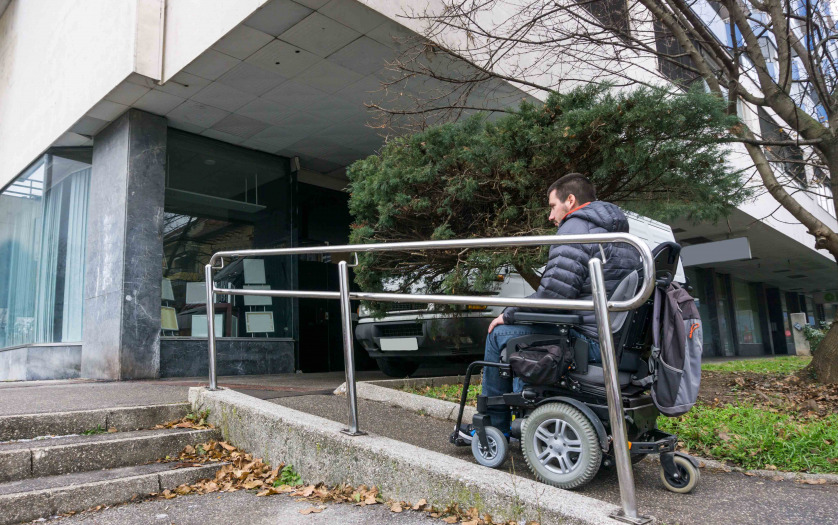
Disability Rights Commissioner Paula Tesoriero is looking forward to seeing more detail on accessible housing for persons with disabilities in the Government’s Public Housing Plan 2021-2024, unveiled on March 24.
In the new plan the New Zealand Government committed to continuing its public house building programme with 8000 homes for people “most vulnerable to housing shortages”. While public housing would continue to be delivered across the country, particular focus would be given to Northland, Hamilton, Bay of Plenty, Gisborne, Napier, Hastings, Palmerston North and Whanganui.
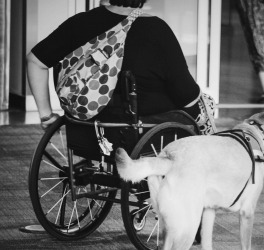
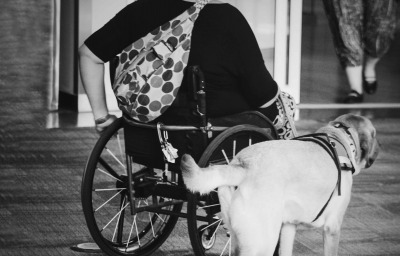
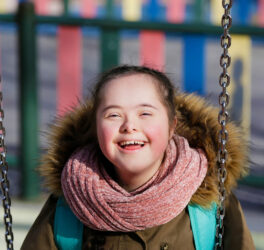
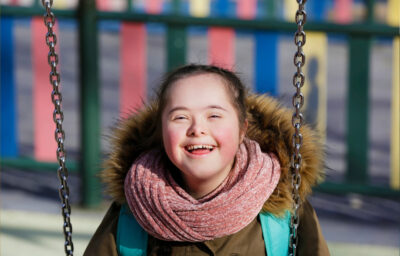
Ms Tesoriero said the lack of accessible housing for persons with disabilities had been at crisis levels for many years. I want to be sure that accessible housing is part of the building programme and funding for infrastructure,” she said.
“There is a shortage of accessible housing for disabled people in the ‘to buy’, ‘to rent’ and social housing markets. Poverty is also an issue for many disabled people, but the lack of accessible homes means even those with sufficient income cannot buy their way out of the problem,” Ms Tesoriero said.
“It is important to ensure that disabled people are key part of the group considered the most vulnerable to housing shortages and that thenew $3.8 billion Housing Acceleration Fund requires universal design be a key feature of funded homes built.”
Statistics New Zealand figures, taken from the last Census in 2018, show disabled people were more likely to live in lower quality homes that are cold, mouldy, damp and unsuited for their needs.
The differences are more pronounced for those in rented homes, and disabled people are more likely to live in rental properties rather than their own.
Of disabled New Zealanders aged 15–64 years, 47 per cent lived rented homes, compared with 35 per cent of non-disabled people.
Just under a third (31 per cent) lived in mouldy homes, compared with a fifth of non-disabled people, and 40 per cent rated their housing affordable, compared with 50 per cent of non-disabled people.
The human right to adequate housing is recognised in the 1948 Universal Declaration of Human Rights and in multiple international human rights treaties that Aotearoa New Zealand has ratified, including the Convention on the Rights of Persons with Disabilities (CRPD).