A new TAU study examines the difficulties experienced by children with different levels of autism and their parents during Israel’s first lockdown during the coronavirus crisis (in the spring of 2020).
The data shows that the drastic changes in the children’s routines and their prolonged stay in their homes instead of their special education had serious implications for the behavior and development of the children and impacted their parent’s ability to support them
The study was led by Dr. Itay Tokatly-Latzer, Prof. Orit Karnieli-Miller and Prof. Yael Leitner from the TAU Sackler Faculty of Medicine, in collaboration with the Tel-Aviv Sourasky Medical Center, and was published in the academic journal ‘Autism’.
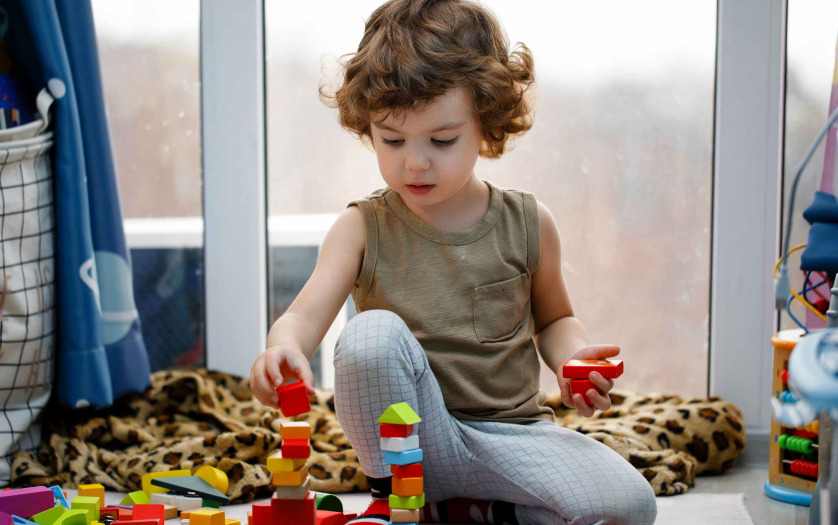
The study group consisted of the parents of 25 children with autism who shared the difficulties they faced during lockdown with the researchers in real time. Some children would for instance refuse to go to sleep at night – screaming and restless, they would stay awake all through the night. Others experienced behavioral regression, returning to repetitive and stereotypical movements that had initially improved.
At the same time, however, the researchers note that there were families who experienced it differently and who found creative ways to help their children get through the crisis in a positive way: One couple chose to go along with the particular interests of their child, engaging in repetitive cake baking. The parents of another child who needed to be in constant movement, bought their son a trampoline so that he could spend his excess energy inside their home.
“Lockdowns are difficult for all of us, but all the more so for families with autistic children. For these children, even the slightest change of routine can cause harm and throw them off balance. The study showed that in many instances the parents were left helpless as they did not have the tools and the professional knowledge required to deal with the situation. The parents need to be given the tools, support and guidance in order to deal with this huge challenge and enable them to create a ‘flexible routine’ for their children.” said Prof. Karnieli-Miller.
“The findings of the study show that during periods of lockdowns the State must do whatever it takes to prevent the closing down of special education, in order to prevent causing harm to children with special needs. If the State nevertheless decides that such steps be taken, it must immediately implement assistance and guidance programs for parents of children with autism. The parents need to receive professional help and better tools for caring for their children.” said Prof. Karnieli-Miller.