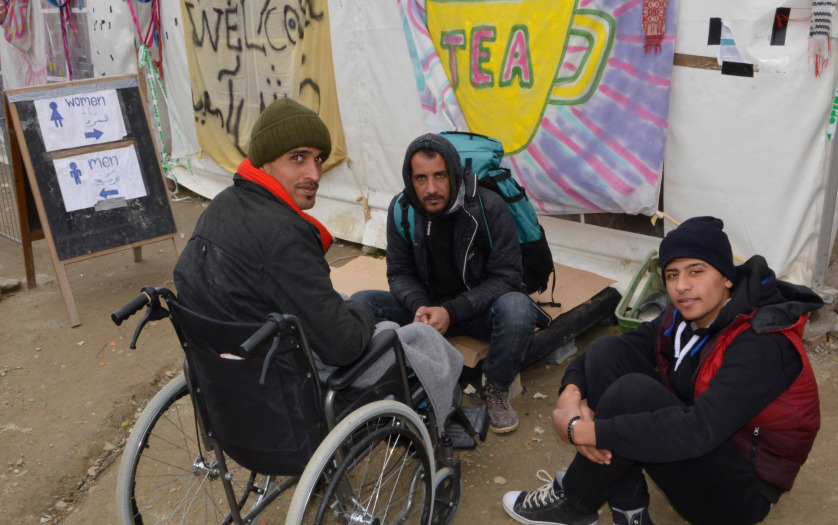
A study published on December 3 addressed the risks that the refugees with disabilities face and disabilities they suffer from, including vision, hearing, ability to move, communication, language barrier, self-care, chronic diseases, effects, and mental health in Turkey.
Humanitarian assistance, food availability, water and sanitation, housing, health care services, rehabilitation, participation files, employment, income, education, vocational training, and community integration were the main issues the study tackled.
The study established that Turkey is known for hosting refugees who fled their war-torn countries, such as Syrian, who constitute the vast majority of refugees in Turkey.
The study stressed the Turkish government’s need to pay close attention to refugees with disabilities to meet their needs. The study included multiple examples of refugees with disabilities in Turkey, the challenges they face, their living conditions, and their needs, which will improve their lives if met. The healthcare problem should be addressed to provide solid support and a favorable environment for refugees with disabilities.
The study demonstrated that disabilities are more prevalent among groups escaping conflict than the estimated 15% of the world’s population living with some form of disability. Persons with disabilities are among the most marginalized, excluded, and neglected of all displaced persons. In addition to that, isolation caused by family members or caregivers’ loss, leaves persons with disabilities vulnerable to physical and sexual violence, exploitation, human trafficking, harassment, and discrimination.
The Report showed that providing an inclusive environment for refugees with disabilities constitutes a heavy burden on any host country, such as Turkey, because it has to take new and appropriate measures and policies to help them carry out their lives, requiring special equipment in all facilities.
In general, refugees with disabilities suffer from a lack of adequate care and social services. And since their families are in their countries of origin, they are likely to be lost when forced to leave their home countries, leaving them more vulnerable to exploitation and abuse.
The research concluded that the Turkish government and non-governmental organizations should take advanced humanitarian responses that include building a demographic map to identify refugees with disabilities, building more specialized health centers to help refugees suffering from mental health problems such as autism, and employing specialists to deal with such cases.