A new study released by the University of Maine could help unlock the mysteries of autism. It found a potential link between the disability and early hearing test data.
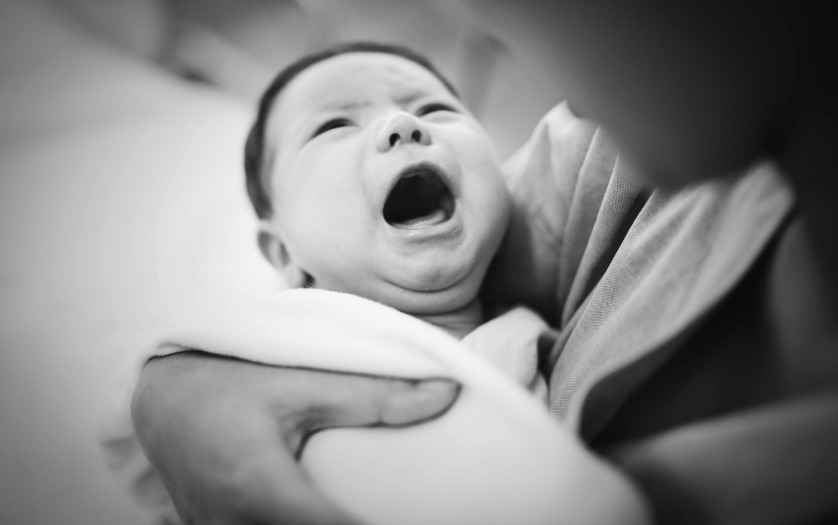
Newborns who did not pass their initial hearing screen but who later were found to have typical hearing had higher rates of Autism in 5 to 10 years, according to a study conducted by researchers with the University of Maine’s College of Education and Human Development.
The study looked at Early Hearing Detection and Intervention (EHDI) data for children born in Maine between 2003 and 2005, linking the data with education records, including special education status, for the 2010–11 and 2013–14 school years. Children who did not pass their newborn hearing test — the Automated Auditory Brainstem Response (AABR) — but who were later found to have normal hearing were at more than eight times the odds of being identified as having autism when 5 to 7 years old, and more than six times the odds when 8 to 10 years old. The odds decreasing with the older age group can be attributed to various factors, including more children being identified with Autism as they age and outmigration of families from Maine.
Further study is needed, but the results suggest that greater collaboration may be warranted between state-level EHDI programs, and educators and other professionals who work with children who have autism or other developmental challenges.
“The results are particularly noteworthy because the newborn AABR data and data on autism status were collected independently and years apart by two different systems, health and education, that do not usually share information,” the researchers write.