The United Nations Educational Scientific and Cultural Organization (UNESCO) has released the 2020 GEM Report on Inclusion and Education, shows progress is slowing on the global out-of-school rate for primary and secondary school-age children, and coronavirus pandemic will only make it worse.
The report identifies an exacerbation of exclusion during the coronavirus pandemic estimating that about 40% of low and lower-middle income countries have not supported disadvantaged learners during school shutdown. It calls for countries to focus on those left behind as schools reopen so as to foster more resilient and equal societies.
According to the report, an estimated 258 million children and youth were entirely excluded from education, with poverty as the main obstacle to access. In low- and middle-income countries, adolescents from the richest 20% of all households were three times as likely to complete lower secondary school as were as those from the poorest homes. Among those who did complete lower secondary education, students from the richest households were twice as likely to have basic reading and mathematics skills as those from the poorest households.
“It is a huge challenge,” Manos Antoninis, director of the report. “The report shows that the share of sub-Saharan Africa in the out-of-school-age population is increasing rapidly. In 1999 it was only 12% in the global population, and by 2030 it will be 25% — more than double. If Africa is not doing well, we are in trouble globally.”
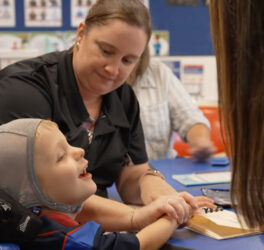
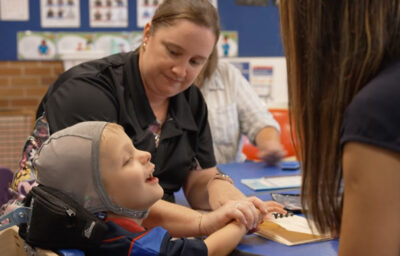
Learners with disabilities also face challenges. In 10 low- and middle-income countries, children with disabilities were found to be 19% less likely to achieve minimum proficiency in reading than those without disabilities.
The Report shows the weight of intersecting disadvantages for some learners. Despite the proclaimed target of universal upper secondary completion by 2030, hardly any poor rural young women complete secondary school in at least 20 countries, most of them in sub-Saharan Africa.