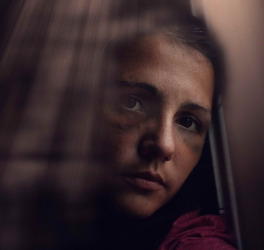
Persons with disabilities are twice as likely to experience violence than the broader population, prompting Uniting Local Area Coordination (LAC) to create a groundbreaking resource to help frontline workers recognise and support at-risk people.
Although women with disability represent 20 percent of the Australian population, they make up nearly half of all domestic violence victim survivors, according to The Royal Commission into Violence, Abuse, Neglect and Exploitation of People with Disability.
In response, Uniting LAC has launched A New Chapter: Persona Pack, developed in collaboration with esteemed disability advocate Tricia Malowney OAM. This first-of-its-kind resource uses evidence-informed personas (fictional profiles based on real experiences) to help frontline workers better understand the experiences of people with disability affected by domestic and family violence.
Designed for use by educators, emergency services, disability workers and other frontline professionals, the personas are informed by safe, disability-appropriate conversations with people experiencing domestic and family violence, and insights from support services. The personas provide practical examples of how violence can affect wellbeing, behaviour, participation and safety.
Said Tricia Malowney: “When we design services without thinking about women with disabilities, they may be left out. Personas help us move beyond our own assumptions and include all marginalised women, from the start.
Personas help us understand how people who use violence may exploit a woman’s disability to control or harm her. This helps us create services that are safe and accessible, and work for everyone.”
Uniting LAC Project Officer Kristie McCarthy said the resource builds understanding: “We’ve seen just how many barriers people with disability can face when experiencing domestic and family violence. Some are obvious, but many are not – things like communication needs, reliance on others for care, social isolation, inaccessible services, or fear of not being believed can all make it harder to seek support. The Persona Pack helps workers step into someone else’s shoes and consider challenges they may never have encountered before.”
Uniting LAC Project Officer Juliana Hoy said the resource responds to an urgent need: “Many workers acknowledge their need to better understand how domestic and family violence presents in different contexts. Our resource helps bridge that gap.”
Importantly, the personas do not replace safeguarding procedures or professional judgement. Instead, they provide a framework for understanding individual experiences and prompting more inclusive wellbeing and safety conversations.