Top of page
Health

Advocacy video amplifies call for disability-inclusive health systems

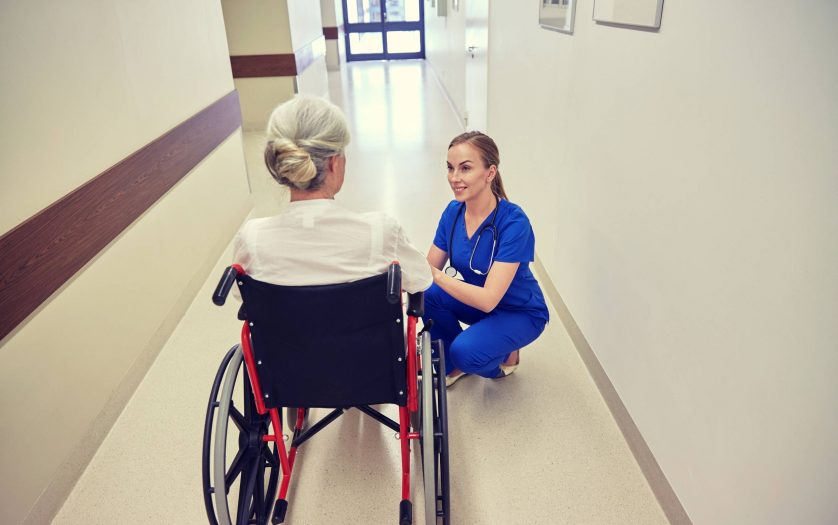
nurse with woman in wheelchair at hospital

As part of strengthened communication efforts to ensure evaluations are used for learning, action and advocacy, WHO has produced a powerful new video, Our Health, Our Right: Advancing Health Equity for Persons with Disabilities. The initiative stems directly from a key recommendation of the Evaluation of the WHO Policy on Disability, to deepen engagement with, and participation of, organizations of persons with disabilities in shaping health policies and systems. 

The video brings forward the voices of persons with disabilities, health workers and WHO staff, highlighting that 1.3 billion people – one in six globally – experience significant disability, yet continue to face stark and preventable health inequities. Through personal testimonies, the video underscores that these inequities are not caused by impairments themselves, but by barriers within health systems and society. Its core message is clear: health is a human right, and persons with disabilities must be consulted on decisions that affect their lives.

Shared widely on the International Day of Persons with Disabilities on 3 December the video has already begun reaching policy-makers, partners and advocates globally. It will continue to serve as an important tool for promoting disability-inclusive health systems and strengthening the role of representative organizations in driving change.

By transforming evaluation findings into accessible, compelling communication products, WHO is helping ensure that evidence leads to action.

You might also like

The Build-A-Brush includes modular components that adapt as children grow, allowing kids to select the bits that appeal to them in the moment while ergonomic forms and visual cues build self-assurance, refine cognitive skills, and encourage consistency. The Build-A-Brush includes modular components that adapt as children grow, allowing kids to select the bits that appeal to them in the moment while ergonomic forms and visual cues build self-assurance, refine cognitive skills, and encourage consistency.

Build-A-Brush: Making oral health fun and easy for children with cognitive disabilities

For many children with cognitive disabilities, daily routines such as…

pregnant woman pregnant woman

New care guidelines for pregnant women with IBD

This physician-scientist’s research changed everything for women. Here’s what she…

Patients who have suffered a stroke perform recovery activities with the help of nurses in the recovery program at Hospital Patients who have suffered a stroke perform recovery activities with the help of nurses in the recovery program at Hospital

Aussies urged to not hang up on vital stroke support service

Aussies are being urged to dig deep to ensure the…

The image of the human brain The image of the human brain

Dementia now Australia’s leading cause of death, ABS reports

The latest data from the Australian Bureau of Statistics (ABS)…