UNESCO and the African Union urge governments in Africa to place equity at the heart of education policy, to ensure that all children and youth on the continent have access to quality education.
A new report entitled Education in Africa – Placing equity at the heart of policy, published jointly by UNESCO and the African Union, reveals that although many countries in sub-Saharan Africa are taking significant steps to provide quality education for all, the region has the world’s largest out-of-school population.
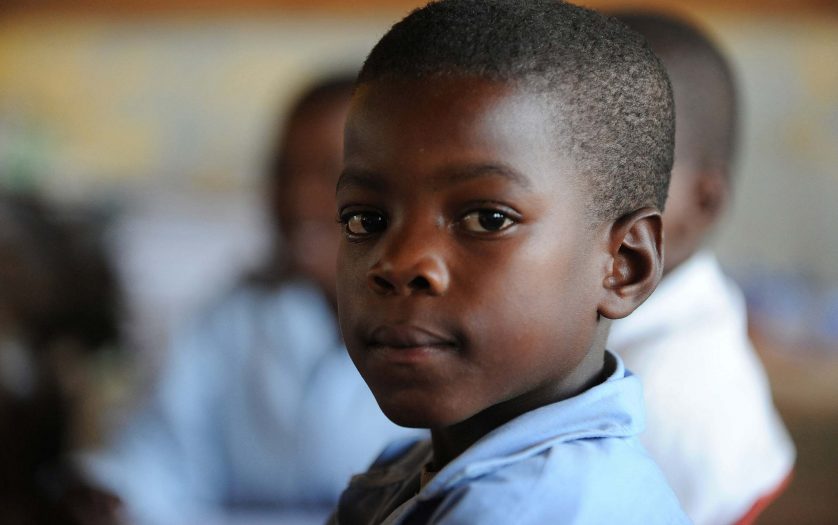
One in five children of primary school age and well over half of upper secondary school-age adolescents do not attend school. In about half of African countries, the out-of-school rate among primary school-age children stands at just under 10%, and at over 50% for upper secondary school age students. This rate is increasing in several countries.
“The massive disparities in African education systems require urgent action. We need to provide all African children and youth with a safe, stimulating, and healthy environment in which they can attain their full potential. Transforming education must at the heart of countries’ efforts to build meaningful and sustainable development and economic growth,” said UNESCO Director-General Audrey Azoulay.
African children lose out because of multiple factors
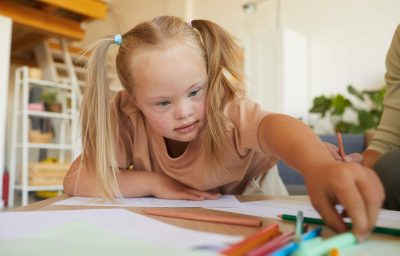
The report, which examines education in Africa from early childhood to upper secondary level, sets out the interconnected factors which prevent children from accessing a quality education, among them geographical location, poverty, gender, disability, crises, conflict, and displacement. It shows that in most countries there are wide gulfs in opportunities between children from the wealthiest and poorest households, between children in urban and rural areas, and between boys and girls. About 80% of children in sub-Saharan Africa are still not taught in a language they speak at home, an approach which significantly impedes learning outcomes.
“The concept of equity must become the guideline for African education policies. We need to ensure that every child in rural and disadvantaged urban centres, and in other fragile countries and contexts, is able to receive the education and training they require,” said H.E Professor Mohamed Belhocine, Commissioner for Education, Science, Technology and Innovation of the African Union Commission.
Fragile education systems aggravated by COVID-19
African education systems were significantly affected by the COVID-19 pandemic, and the effects on educational attainment, learning outcomes, and disparities in education are still unfolding. Even before the pandemic, only a handful of countries in Africa were on track to meet the UN sustainable development goal on education.
The report calls on governments to strengthen education systems’ resilience to future crises, by developing flexible forms of teaching, by scaling up the use of digital technology, and by improving data collection to better inform policy planning.
It proposes a series of recommendations to addressing the barriers to inclusion, such as making secondary education compulsory, building more schools, developing adapted curricula, improving the quality of teachers, and providing financial and academic assistance to children.
This first joint publication builds on a study conducted by UNESCO’s International Institute for Educational Planning to review the advances made by African countries to reach the goals set out in the Continental Education Strategy for Africa 2016-2025 and SDG. The launch of the report was held at the African Union’s Heads of States Summit, during a high-level discussion co-hosted by the African Union and UNESCO on Saturday 18 February 2023.