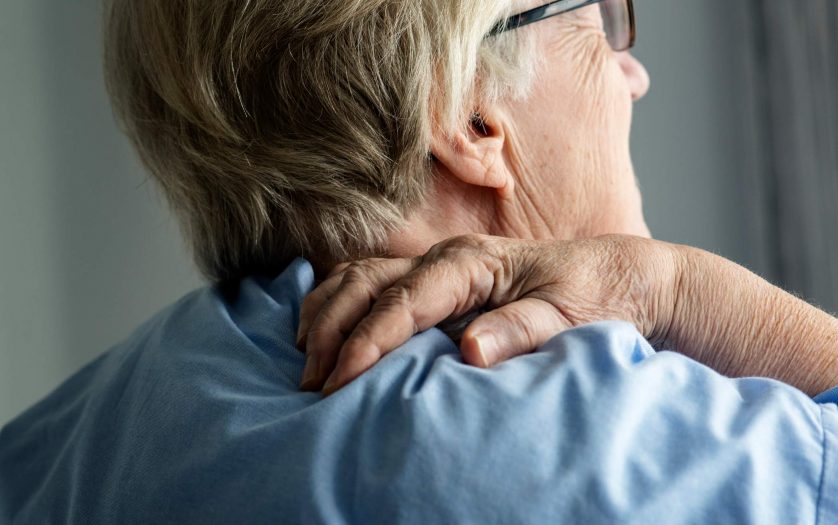
The Australian Chiropractors Association (ACA) released new national survey data revealing that 86.7% of Australian women suffered back pain in the past 12 months.
Of those women afflicted 57.5% experienced mental fatigue, 54.8% reported it added to their mental load, and 47.6% experienced a moderate-to-extreme mental health impact as a result of back pain.
The survey also highlighted spinal health issues in the context of family households revealing that back pain extends well beyond individual sufferers affecting 9.7 million Australian households (89.7%) with respondents reporting that in 5.4% of households a child under 18 is also living with back pain.
The new data obtained from the 2026 Spinal Health Survey, an independent national survey by Pureprofile (May 2026) of 1,040 Australian adults (528 Women and 512 Males), revealed that although the prevalence is slightly lower than men (87.5%), women experience significantly higher psychological consequences due to back pain with 47.6% of women with back pain in the last year reporting moderate-to-extreme mental health impact, compared to 44.2% of men.
ACA Women In Chiropractic Chair Dr Ali Young said, “Although it’s well documented that back pain and mental health conditions are linked and can cause an impaired quality of life, the survey data is unambiguous with women suffering from back pain reporting higher rates of mental exhaustion, sleep disruption, depression and mental load compared to men; and were less likely to have sought diagnosis or professional treatment.
“With 53.7% of women suffering back pain reporting they’ve never sought a formal medical diagnosis, saying the barriers partly financial; 49.7% of women said the cost of living has prevented them from seeking treatment which was 10.9 percentage points (a relative increase of 28.1%) higher than men (38.8%).
“The survey results should prompt a serious national conversation about how women can improve their spinal health because back pain is not just a musculoskeletal problem; it incorporates mental health, equity and quality-of-life issues that deserve far greater attention,” she said.
The mental health burden of back pain in Australia shows the gender gap in mental health impact to be widest in the 25–30 age group, with 63.5% of women aged 25–30 having back pain reporting moderate-to-extreme mental health impact compared to 44.7% of men in the same bracket – an 18.8 percentage point difference and the largest gender gap of any age group in the survey.
The survey also revealed that women are significantly more likely to suffer chronic pain than men with 46.5% of women with back pain reporting having chronic pain compared with 41.6% of men, while among women aged 41–50, the chronic pain rate reaches 46.8% – 13.1 percentage points above men in the same bracket.
“With numerous studies finding people living with chronic back pain are at heightened risk of experiencing mental health problems including a study by the International Association for the Study of Pain (2021), the significantly high number of women reporting chronic back pain is concerning,” said Dr Young.
“Women are managing back pain alongside the mental, physical and financial demands of family life with the data showing the combined load is substantial,” said Dr Young.
Women reported that they were more likely than men to cite caregiving and household responsibilities as contributing to their back pain with 16.4% of women nominating housework as a trigger (vs 9.5% of men), and 7.6% cited caring for a child, elderly person or person with disability.
Pregnancy is also reported as a contributing factor by 6.9% of women with back pain, with the physical demands of pregnancy followed by the sustained physical demands of early parenthood that represents a significant risk window for the development or worsening of spinal conditions.
In women, depression or anxiety from back pain peaked in the 51–60 age group at 17.1% – a critical age that coincides with peak income-earning, caring responsibilities and hormonal changes.
“It’s recognised by healthcare professionals that chronic back pain can lead to psychological and social problems when depressive symptoms worsen back pain and increase the disability associated with it, which in turn can exacerbate back pain’s negative impact on the mental health of sufferers,” she said.
“The vicious cycle of back pain triggering a mental health problem can lead to the original back pain problem worsening and continue to accelerate unabated in the absence of interventions to break the pain cycle, while the costs of musculoskeletal disorders (MSDs), including back pain, to the Australian economy continue to rise substantially,” Dr Young said.
PainAustralia reports the annual cost to the Australian economy for chronic pain is $73.2 billion, and Musculoskeletal Australia reporting MSDs costing $55.1 billion, including direct health costs, lost productivity and reduced quality of life.
With 6.1 million Australians already affected by MSDs, according to a Deloitte Access Economics (2019) report the rising cost of MSDs in Australia presents a strong case for a proactive, strategic response to MSD management (including back pain).
Research by Monash University’s School of Public Health and Preventive Medicine (August 2025) has projected chronic back pain will cost the Australian economy $638 billion in lost productivity over the next decade, and that if we fail to tackle common back pain through promoting advice to stay active and receive appropriate care, by 2033, 3.2 million working-age Australians will be living with chronic back pain, leading to a loss of approximately 4.6 per cent to Australia’s Gross Domestic Product (GDP) over a 10-year period.
“With back pain posing a major public health burden impacting millions of women across Australia and long-term chronic back disorders projected to cost the Australian economy an estimated $638 billion in lost productivity over the next decade; greater awareness of the back pain burden women carry, early intervention and improved affordability would make a meaningful difference to the health and wellbeing of Australian women and their families,” Dr Young said.
During Week 3 of National Spinal Health Month (15–21 June), the ACA is encouraging women and families to prioritise their spinal health and seek evidence-based, drug-free healthcare to help prevent developing a chronic condition and minimise the impact back pain has on their mental health.
Women are encouraged to access free spinal health resources, practical guides and information for families and schools at www.spinalhealth.org.auto improve their spinal health and overall wellbeing.