The catalyst for launching the guidelines comes following the tragic death of Ann Marie Smith – and some of the associated nation-wide reporting.
At the time, reporting included labelling Ann Marie as a “cerebral palsy sufferer” and a “disabled woman” – language that many people with disabilities find offensive.
The new guidelines were developed with input from people with lived experience, disability advocates and the community, as well as SA print, television and radio journalists.
Minister for Human Services Michelle Lensink said the new guidelines would support media with a more inclusive approach to their reporting.
“When a person lives with disability, it does not completely or wholly define who they are,” said Minister Lensink.
“People with disability are as diverse as the rest of the population. We all share the same aspirations and goals. However, sometimes, this can be misunderstood by some, so we’re seeking to fix this perception.
“The good news is the media can play an important role in shifting the narrative around disability simply by focussing on the person, rather than the disability.
“With this in mind, it’s driven us to develop the new Report it Right guidelines – a simple, easy-to-read document that seeks to support our media use more inclusive, respectful language and approaches to reporting, while maintaining autonomy and independence.”
A state-wide YourSAy survey on the guidelines found that:
- 72.2 per cent of respondents felt the media didn’t represent people with lived experience of disability in a positive way
- 77.8 per cent of respondents believed the new guidelines could improve community attitudes towards people with lived experience of disability.
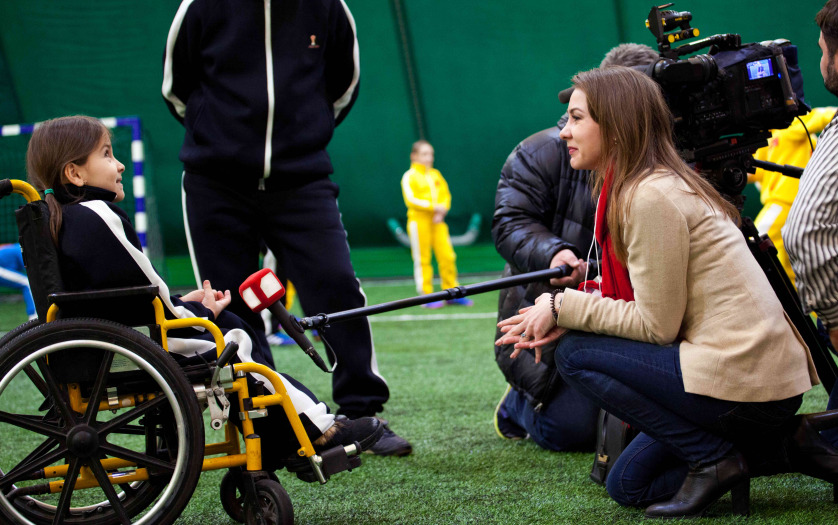
The Report it Right guidelines contain advice on words to use or avoid when reporting about people with disability, interview tips and suggestions on creating and selecting accompanying images and graphics.
The guidelines are available for download from the Inclusive SA website, and will be distributed to South Australian media outlets, journalism schools and public relations bodies.