Southern DHB is collaborating with ‘That Blind Woman’ Julie Woods to pilot ‘The Accessibility Game’ – a two-part workshop to raise awareness of disability and provide front-facing staff with the tools to help people with disabilities have a positive experience when accessing health services.
The one hour workshops will cover off everything from defining disability versus impairment; appropriate language to use; the barriers people with disabilities are faced with when using health services; and the number one question to ask someone with a disability.
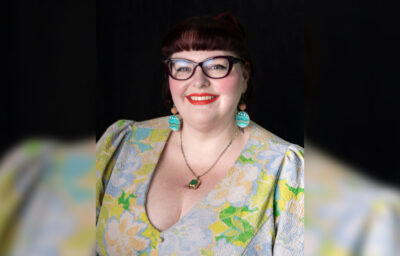
“The Accessibility Game is a disability awareness tool aimed at connecting the health sector with the disability sector,” says the Accessibility Game facilitator AKA ‘That Blind Woman’, Julie Woods.
“The workshop is based on the ‘why not’ game I created when I turned 20 years blind in 2017. Saying “why not” is something I learned early on as a blind person when I turned down the chance to go cross-country skiing, and realised afterwards I should have said “why not”. Since that moment I have said “why not” to numerous opportunities and in the process have been exposed to many different people, places and experiences.”
Julie has adapted the game to include 20 disability-related questions the players have to say “why not” to. She will also include a real live scenario based on an appointment she had with the eye department at Dunedin Public Hospital earlier this year.
“I want the staff to learn what the barriers are to accessing a health service and more specifically, what they can do to enable better access to their service,” says Julie. “People are often scared of disability and doing the wrong thing, so by playing the game I hope they become more comfortable with the world of disability.”
Southern DHB Disability Working Group chair John Marrable says the programme will help in supporting raising disability awareness, one of the main goals of the Disability Strategy. Southern DHB’s Disability Strategy is based on “recognising the need to remove barriers for disabled people, enabling access to appropriate services and ensuring each individual’s dignity remains intact during their time with us”.
The Dunedin-based pilot is fully booked with plans for further workshops. “I’d love to keep playing the game with Southern DHB staff so they can continue learning about disability and keep saying “why not”,” says Julie.