Top of page
Health

New guidelines to help people with dementia stay safe if they get lost

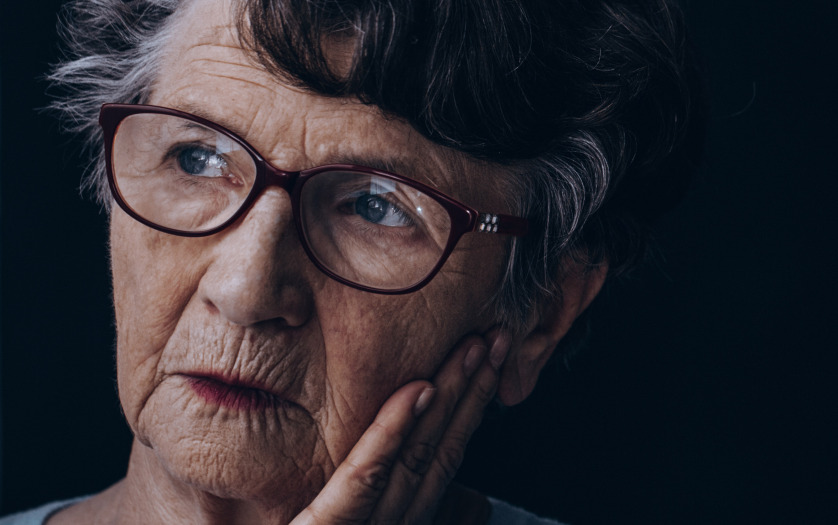
Elderly lonely woman with Alzheimer

University of Alberta researchers have developed a new guideline to help people with dementia stay safe if they get lost, based partly on the experiences of those who are living with the condition.

“By including people with dementia, it tells them they can be active agents in their own care and they can keep themselves safe,” said lead author Noelannah Neubauer, an occupational therapy student in the Faculty of Rehabilitation Medicine.

“The guideline opens up the idea that people with dementia can go for a walk as long as they have a strategy in place. It gives them some autonomy.”

The recommendations were developed to help fill in a big public information gap, she said.

“As researchers, we were getting a lot of questions from Alzheimer’s societies on how to keep people with dementia safe while they were living at home; they had no resources to refer them to.”

To find out what existed, Neubauer did a study of available literature that revealed a confusing tangle of more than 180 high- and low-tech solutions on how to keep people with dementia safe, ranging from home alarm systems to ID tags.

The researchers’ new guideline provides several measures, based on the risk levels of the people with dementia, for them to stay safe if they wander while living on their own—and many of them do live alone for various reasons, she noted.

“Many become divorced, lose friends, are estranged from families or don’t want to be a burden for their children, so don’t involve them.”

You might also like

The Build-A-Brush includes modular components that adapt as children grow, allowing kids to select the bits that appeal to them in the moment while ergonomic forms and visual cues build self-assurance, refine cognitive skills, and encourage consistency. The Build-A-Brush includes modular components that adapt as children grow, allowing kids to select the bits that appeal to them in the moment while ergonomic forms and visual cues build self-assurance, refine cognitive skills, and encourage consistency.

Build-A-Brush: Making oral health fun and easy for children with cognitive disabilities

For many children with cognitive disabilities, daily routines such as…

pregnant woman pregnant woman

New care guidelines for pregnant women with IBD

This physician-scientist’s research changed everything for women. Here’s what she…

Patients who have suffered a stroke perform recovery activities with the help of nurses in the recovery program at Hospital Patients who have suffered a stroke perform recovery activities with the help of nurses in the recovery program at Hospital

Aussies urged to not hang up on vital stroke support service

Aussies are being urged to dig deep to ensure the…

The image of the human brain The image of the human brain

Dementia now Australia’s leading cause of death, ABS reports

The latest data from the Australian Bureau of Statistics (ABS)…