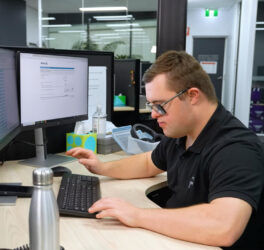
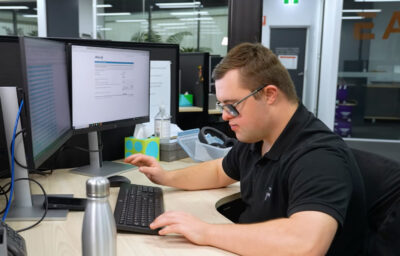
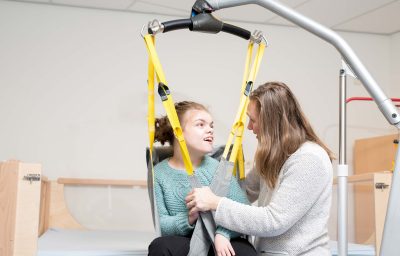
As companies and institutions show flexibility with work hours and work from home due to the ongoing Coronavirus pandemic, disability rights advocates say that the shift will help people with physical and intellectual challenges to be a part of the workforce.
As the world looks for the new normal most organizations have been forced to consider changes in the way they engage with the workforce and are adapting to several remote and accessible work systems that were in use, although in a very limited scale especially with workers who needed to work from remote locations and at the timing of their choice.
COVID-19 had forced changes to how companies operated, and the ones continuing to embrace flexibility would hire and attract better people.
New Zealand’s Disability Rights Commissioner Paula Tesoriero said one in four New Zealanders have a disability, so workplaces must stay flexible and have improved their workforce diversity on their radar to utilize their skills fully.
“During COVID New Zealanders at large got a real insight into the disabling world that many people with impairments or chronic health conditions have to deal with daily,” she was quoted as saying in a new report.
She said about 30 percent of public sector respondents in a 2019 survey on diversity reported disability as an important issue compared to 19 percent for those in the private sector.
Both numbers were low in her view, and she encouraged employers to understand the benefits of having people with disabilities in the workforce.