A new 10-year strategy aims to strengthen New Zealand Sign Language, making it a more visible, valued part of everyday life
Launching the NZSL Strategy 2026-2036, Minister for Disability Issues Louise Upston says it’s important for NZSL to be supported, strengthened and promoted in New Zealand.
“Increasing everyday use and fluency will improve access to services and lead to better outcomes for Deaf people and NZSL users,” Louise Upston says.
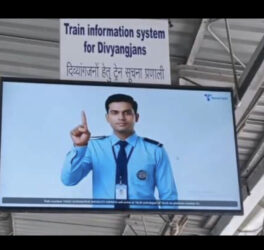
“I know Deaf people and NZSL users struggle to access public services or community events. That’s why we need a strategy guiding the work of government agencies and community organisations, so NZSL can be used and understood.
“The strategy we’re welcoming was developed by the NZSL Board alongside its Turi Māori (Māori Deaf) advisory group, Te Rōpū Kaitiaki. The board is responsible for the maintenance and promotion of NZSL, and I want to acknowledge its hard work over many years.
“I also want to thank all the individuals, communities and organisations who have taken part in consultation.
“That consultation and feedback matters because to truly lift the status of NZSL, we must work to integrate it into everyday life – across government, business, media, and communities.
“That means celebrating NZSL through NZSL Week, media stories, and role models from the Deaf community. It means celebrating the 20th anniversary of NZSL as an official language and preparing to mark the 25th and 30th anniversaries during the life of this Strategy.
“Integration also means ensuring NZSL is visible and valued. Everyone has a role to play. Whether you’re a parent, teacher, public servant, or business owner, you can help to energise and integrate NZSL.
“Our shared vision should be clear: New Zealand Sign Language – everyone, everywhere, every day,” Louise Upston says.
The strategy has two approaches. The first is to ensure Deaf people and NZSL users, particularly children, are able to learn and use NZSL. This includes strengthening the use of NZSL in the home because most deaf children are born into hearing families and whānau.
The second approach aims to ensure non-NZSL users understand and accept the use of NZSL. Many barriers faced by NZSL users stem from the lack of information and services available to NZSL users.