A new study by researchers at the University of Tasmania’s Menzies Institute for Medical Research has found people living in lower socio-economic areas (SES) are significantly more likely to experience stroke than people living in higher SES areas.
The study which has been published on World Stroke Day, in the Journal of Stroke and Cerebrovascular Diseases, is one of few in Australia to look at how SES affects stroke rates- highlighting urgent public health concerns and the need for targeted prevention strategies.
Researchers analysed Tasmanian hospital and death records from 2007 to 2020, identifying nearly 5,000 first-ever stroke cases between 2015 and 2020.
The study revealed that individuals in the lowest SES group had a 33% higher risk of stroke compared to those in the highest SES group.
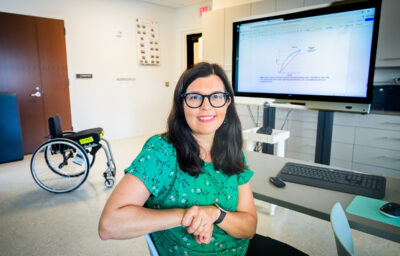
“Stroke is a leading cause of death and disability, and our findings show that socioeconomic disadvantage plays a major role in who is most affected”, said lead author Professor Seana Gall.
“It was especially concerning that the effect of lower SES on having a stroke was greater for younger people.”
The study also found that stroke risk factors—such as diabetes, high blood pressure, and heart disease—were more common in disadvantaged communities.
This is the first study to use linked administrative data to estimate stroke incidence across Tasmania, providing critical insights for health policy and planning.
“These results underscore the importance of improving access to healthcare, education, and preventive services in Tasmania’s most vulnerable regions”, Professor Gall added.
“Our Cardiovascular Research Flagship is working to spread awareness- but more investment is needed across the sector to better educate Tasmanians and help them reduce their risk of stroke.”
Key findings:
- 4,901 first-ever stroke cases identified (2015–2020)
- Stroke incidence 33% higher in lowest SES group
- Stronger SES impact observed in younger age groups
- Higher prevalence of cardiovascular risk factors in disadvantaged areas
- Stroke is a major cause of death and disability worldwide. Understanding who is most at risk can help health services better target prevention efforts.
- While it’s known that lower SES is linked to poorer health, few studies in Australia have looked at how SES affects stroke rates.