A new online resource is shining a light on the transformative role of d/Deaf, Disabled, and Neurodivergent artists in shaping Australia’s cultural landscape over the past 50 years.
Developed under the leadership of QUT researchers, the Disability Arts History Australia (DAHA) web site documents the evolution of Disability Arts from the 1970s to today, capturing the stories of artists, organisations, and allies who have driven cultural and social change.
The site features:
- 1661 archival records including annual reports, programs, and promotional materials
- 49 video interviews with Auslan interpretation, captions, and transcripts
- Searchable database of 10,864 people, organisations, and works
- Curated timelines and histories highlighting key moments in policy, activism, and practice
The DAHA website is the culmination of the Evolution of Disability Arts in Australia research project, funded through an Australian Research Council Special Research Initiative for Australian Society, History, and Culture grant.
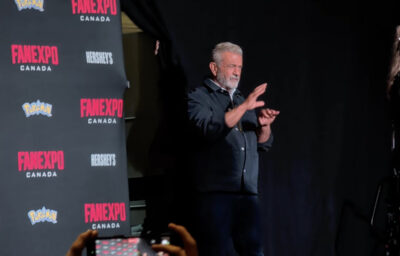
Professor Bree Hadley (pictured above), from QUT’s School of Creative Arts, Drama, said the resource provided an unprecedented opportunity to understand the cultural impact of Disability Arts.
“This archive not only celebrates the achievements of d/Deaf, Disabled, and Neurodivergent artists, but also highlights the work still needed to achieve a truly inclusive arts sector,” Professor Hadley said.
“This resource is designed for artists, educators, policymakers, and the public to explore, learn, and create tailored reports or programs on topics such as access, education, and cultural participation.”
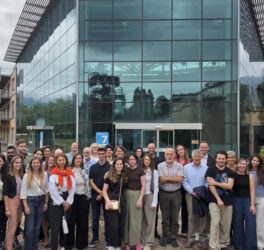
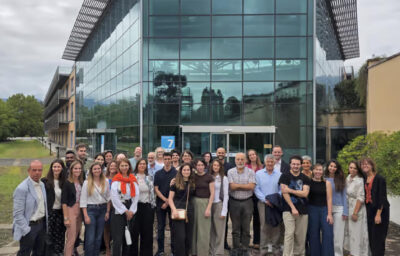
The project was conducted by QUT in partnership with Curtin University, The University of Melbourne, Arts Access Victoria, and Creative Australia.
The three-stage project involved interviews and archival research, co-design workshops in Brisbane, Melbourne, and Perth, and extensive testing with the disability arts community.
The research team included Professor Bree Hadley, from QUT’s School of Creative Arts, Drama, Professor Janice Rieger from University of Technology Sydney, Associate Professor Eddie Paterson from The University of Melbourne, and Professor Katie Ellis from Curtin University, who worked closely with more than 100 artists and arts workers nationwide.
For more information, visit the Disability Arts History Australia website.