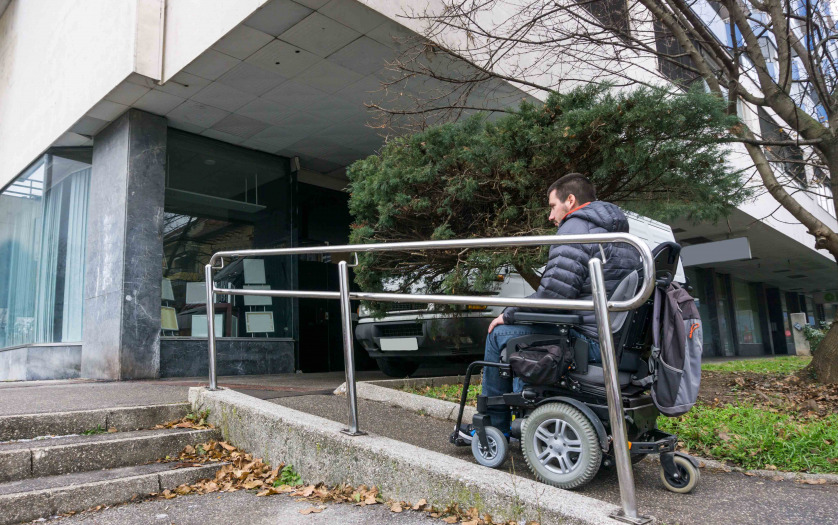
The U.S. Department of Housing and Urban Development (HUD) announced on March 25 that the agency charged the Grapevine Housing Authority (“GHA”); Jane Everett, Executive Director of GHA; and Bonnie McHugh, Vice-Chair of the GHA Housing Commission, with discriminating against, and failure to provide a reasonable accommodation for a tenant with a disability.
“A person’s disability should never interfere with their ability to maintain access to safe and affordable housing,” said Demetria L. McCain, HUD Principal Assistant Deputy Secretary for Fair Housing and Equal Opportunity. “Today’s charge demonstrates HUD’s steadfast commitment to take appropriate action when housing providers fail to comply with the Fair Housing Act.”
The Fair Housing Act prohibits discrimination based on disability. This includes prohibiting housing providers from making housing unavailable to persons based on disability. The Act also requires housing providers to make reasonable accommodation when necessary for persons with disabilities to have an equal opportunity to use and enjoy their homes.
HUD’s Charge of Discrimination alleges that the Grapevine Housing Authority, Ms. Everett, and Ms. McHugh terminated the lease of a tenant with diabetes following a medical episode caused by his blood sugar levels. They subsequently denied his reasonable accommodation request and continued eviction proceedings against him even after his doctor had provided evidence that his symptoms were managed following a change in medication and purchase of a medical alert bracelet.
“Public Housing Authorities may not evict tenants because of disability symptoms that can be reasonably accommodated,” said HUD General Counsel Damon Smith. “HUD is committed to actively enforcing the Act in its efforts to eradicate housing discrimination.”
A United States Administrative Law Judge will hear HUD’s charge unless any party to the charge elects to have the case heard in federal district court. If a judge finds, after a hearing, that discrimination has occurred, they may award damages to the complainant for his losses as a result of the discrimination. The judge may also order injunctive relief and other equitable relief, to deter further discrimination, as well as payment of attorney fees. In addition, the judge may impose civil penalties to vindicate the public interest. If the federal court hears the case, the judge may also award punitive damages to the complainant.
People who believe they are the victims of housing discrimination should contact HUD at (800) 669-9777 (voice) or (800) 927-9275 (TTY) or file a complaint here: www.hud.gov/fairhousing/fileacomplaint.