India has released comprehensive guidelines to enhance accessibility to vocational education and training for individuals with disabilities. Unveiled at the International Purple Fest-Goa 2024, these guidelines, formulated by the Department of Disabilities, aim to eliminate existing disparities and foster inclusivity within the vocational education and training (VET) ecosystem.
The guidelines meticulously delineate the responsibilities of stakeholders within the VET domain, focusing on dismantling barriers for trainees with disabilities. A pivotal aspect is the establishment of minimum standards for awarding bodies, assessment agencies, and training centers, ensuring that vocational education becomes universally accessible.
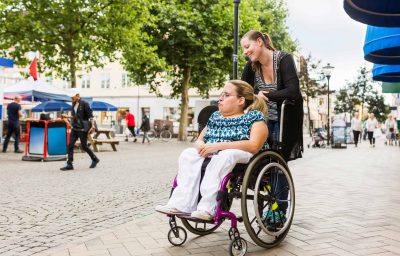
Addressing the challenges posed by disabilities, the guidelines prioritize the creation of an infrastructure that promotes quality education and enhances employability for people with disabilities. Recommendations include accessibility parameters for training facilities, emphasizing the incorporation of ramps, elevators, and assistive technology.
Crucially, the guidelines underscore the need for proactive planning in infrastructure projects to cater to the specific needs of individuals with disabilities. Additionally, a detailed table outlines the essential infrastructure parameters required at training and assessment centers, covering diverse aspects such as entrances, restrooms, signage, and assistive tools.
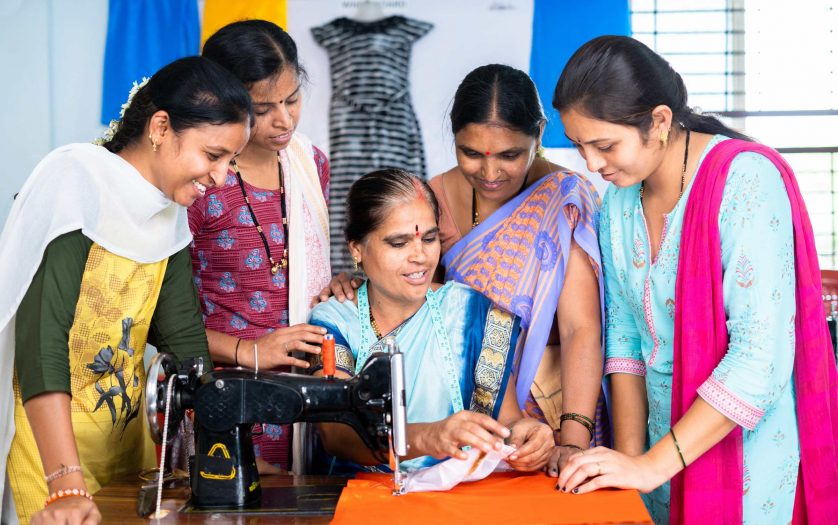
The guidelines also delve into specific strategies for training individuals with various disabilities, encompassing pedagogical approaches and curriculum design considerations for an inclusive learning environment. Aligning qualifications with the National Skills Qualification Framework (NSQF) is highlighted, ensuring courses meet industry demands while accommodating the unique needs of trainees with disabilities.
Awarding bodies, identified as pivotal entities, are entrusted with responsibilities beyond qualification alignment, including the creation of accessible learning resources and advocating for the importance of skilling persons with disabilities.
These groundbreaking guidelines not only promote inclusivity within the VET ecosystem but also signify a monumental step towards empowering individuals with disabilities, ensuring they have equal access to quality education and vocational training opportunities.