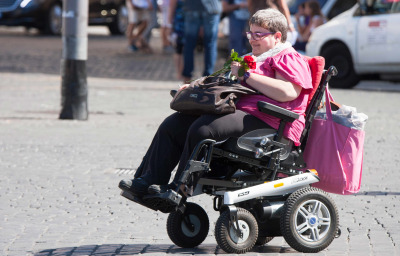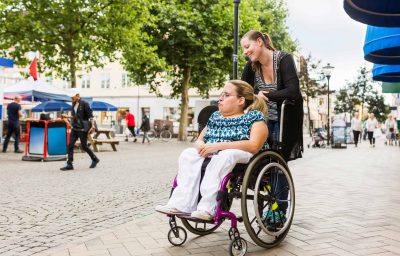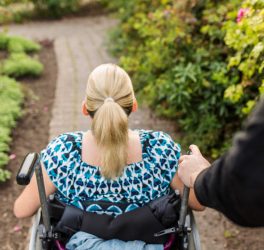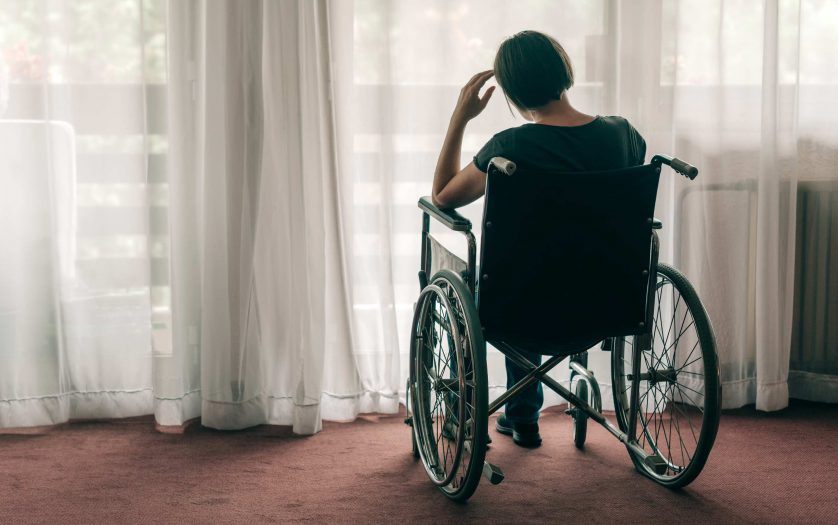
Americans with disabilities are feeling forgotten during the pandemic recovery phase – with no therapy or social programs and inaccessible booking systems for COVID-19 vaccinations.
For example, many vaccination booking sites lack adaptive software for people with vision disabilities.
“A year into the pandemic, we just wonder how we can make vaccine filing universal and accessible,” said Bryan Bashin, CEO of LightHouse for the Blind and Visually Impaired in San Francisco.
According to the Centers for Disease Control and Prevention, one in four Americans, or 61 million people, has a disability that can affect mobility, cognitive function, hearing, and vision.
Advocates for people with disabilities say that the pandemic has reversed thirty years of progression started by the American Disability Act (ADA).
Evan Hookey, 29 years old from New Jersey, has autism and received his first vaccine on February 21. It’s not clear when Hookey will be able to return to his job stocking shelves at his local supermarket or to his daily routine of attending social and therapeutic programs.
Brad Kane and his wife, of Massachusetts, have spent more than a year without home therapy for their four children with autism, aged 7-13. Each child used to receive two to four hours of therapy a day, five days a week. Once the pandemic began, the sessions ended with no indication of when they would restart.
“It’s harder to get them to do the things they need to do, like language and emotional development,” said Kane.
In February, Kaiser Health News and WebAIM, a nonprofit group working on internet accessibility at Utah State University, identified nearly 100 state vaccination websites that lack screen reading technology for the visually disabled.
“I should have the same options as everyone else,” said Chris Danielson, spokesperson for the National Federation of the Blind. “Booking a shot is frustrating for everyone as most people try multiple times. We are not asking for any special treatment – we just want the same barriers, nothing more.”
Some activists have set up Facebook pages to direct people with paralysis and other disabilities to states where they qualify for early vaccination.
Firefighters in Corpus Christi, Texas, have administered up to 100 door-to-door shots daily to the elderly and people with disabilities who are house-bound.
Some vaccination centers in New Jersey have optimized check-in and designated areas to limit light, noise, and crowds for people with autism.
Orange County, California, is directing people who require special accommodations to Anaheim to get vaccinations in a Disneyland parking lot, stating it’s more convenient for people with disabilities and parents whose children with autism might object to masking or long waits.
Pima County, Arizona began offering vaccinations to people with disabilities living in private homes on March 15.
A similar policy will go into effect in Connecticut in early April.
Back in New Jersey, the Hookey family wait for Evan to be able to get back to work and therapy.
“We still don’t know what program location he will go to and if there is room due to the distancing and if he needs a COVID test,” his mother Gina said.