Top of page
Health

One in four people projected to have hearing problems by 2050, WHO report

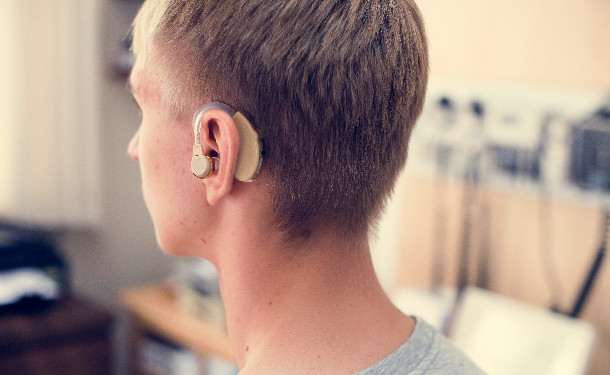
young-man-with-hearing-aid

Nearly 2.5 billion people worldwide ─ or one in four people ─ will be living with some degree of hearing disability by 2050, warns the WHO first World Report on Hearing.

At least 700 million of these people will require access to ear and hearing care and other rehabilitation services unless action is taken.

“Our ability to hear is precious. Untreated hearing loss can have a devastating impact on people’s ability to communicate, to study and to earn a living. It can also impact on people’s mental health and their ability to sustain relationships,” said Dr Tedros Adhanom Ghebreyesus, WHO Director-General.

“This new report outlines the scale of the problem, but also offers solutions in the form of evidence-based interventions that we encourage all countries to integrate into their health systems as part of their journey towards universal health coverage.”

The report, launched ahead of World Hearing Day on 3 March, underlines the need to rapidly step up efforts to prevent and address hearing loss by investing and expanding access to ear and hearing care services. Investment in ear and hearing care has been shown to be cost-effective: WHO calculates that governments can expect a return of nearly US$ 16 for every US$ 1 invested.

You might also like

Doctor consulting with patient Back problems Doctor consulting with patient Back problems

Study finds weight gain increases risk for low back pain

Low back pain (LBP) is a prevalent condition associated with…

nurse with woman in wheelchair at hospital nurse with woman in wheelchair at hospital

Advocacy video amplifies call for disability-inclusive health systems

As part of strengthened communication efforts to ensure evaluations are…

The Build-A-Brush includes modular components that adapt as children grow, allowing kids to select the bits that appeal to them in the moment while ergonomic forms and visual cues build self-assurance, refine cognitive skills, and encourage consistency. The Build-A-Brush includes modular components that adapt as children grow, allowing kids to select the bits that appeal to them in the moment while ergonomic forms and visual cues build self-assurance, refine cognitive skills, and encourage consistency.

Build-A-Brush: Making oral health fun and easy for children with cognitive disabilities

For many children with cognitive disabilities, daily routines such as…

pregnant woman pregnant woman

New care guidelines for pregnant women with IBD

This physician-scientist’s research changed everything for women. Here’s what she…