Eftpos announced a joint national initiative with Scope Global which aims to strengthen and simplify digital identification processes for persons with disabilities in Australia.
As services and interactions move increasingly online in a post COVID-19 world, one in five Australians identifying as having a disability are encountering significant challenges in identifying themselves in a digital environment.
Eftpos CEO Stephen Benton says the joint initiative aims to shape eftpos’ digital identity technology to enable people living with a disability to identify themselves more easily online. This, in turn, is designed to give people with a disability the power to connect and transact with businesses and government service providers with increased independence and control.
eftpos began its new digital identity solution, connectID, in July this year, to help Australian consumers protect their identities and avoid fraud while connecting with merchants and government services.
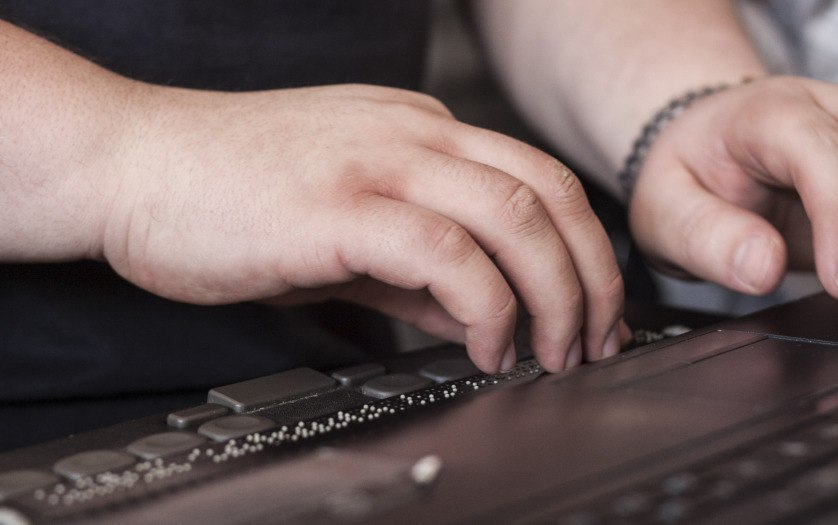
Mr Benton said the connectID pilot will focus on people who are blind or have vision disabilities, and people with cerebral palsy or who use assistive devices to access digital platforms. The focus of the outreach process is to consult and gather feedback on potential technological approaches to facilitate capability-appropriate access to the digital environment, along with the associated process supports.
“This pilot seeks to facilitate identity verification methods to help reduce the instances of fraud and identity theft, and improve ‘digital trust’ between customers and vendors,” Mr Benton said.
eftpos is working with unique disability consulting service Maven, which is part of the South Australian Government-owned company Scope Global. Maven consults to governments, businesses and not-for-profit organisations, providing insights about website and digital content accessibility, tailored disability awareness training and physical premise accessibility reviews.
“I would absolutely use the technology as it means I can complete what I need to online and wouldn’t have to rely on anyone. Also, if the technology allows for various ways to verify and manage identification, I believe people with disability would use it. We cherish our right for independence, choice and control, and we appreciate opportunities that allow us to exercise these rights,” Ms Iscel said.
“People living with a disability – some 19% of the Australian population – encounter significant challenges in identifying themselves in an increasingly online world,” said Mr Travers.
“The pilot will allow a joint assessment of the market need and commercial opportunity for identity service providers linked to the eftpos ecosystem while designing improved identity verification methods for people with a disability.”