Half of UK parents do not feel comfortable about their children attending school following lockdown, according to early results from a new study asking parents and carers about their children’s mental health through the COVID-19 crisis.
More than 10,000 parents have now taken part in the Co-SPACE (COVID-19 Supporting Parents, Adolescents, and Children in Epidemics) survey led by experts at the University of Oxford. Parents, completing the survey since the Government announced the phased return of schools, were asked how they feel about their children returning to school.
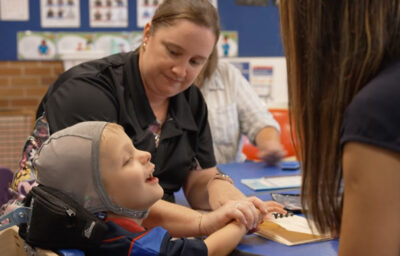
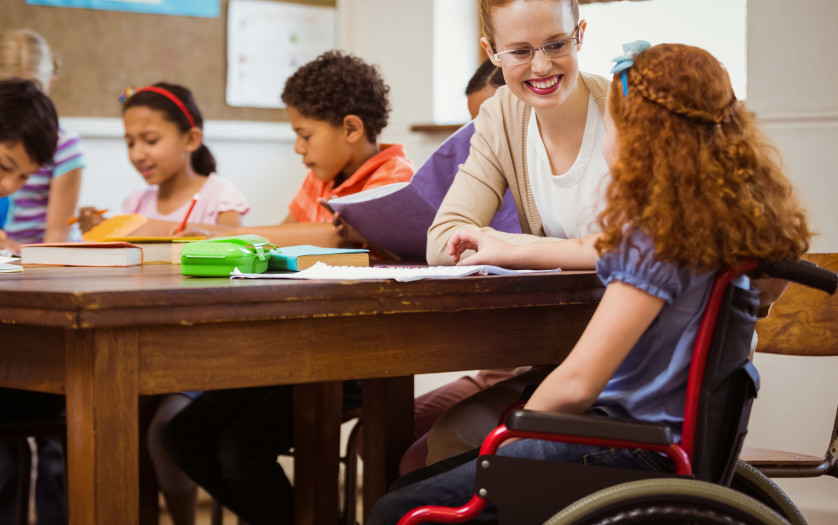
Notably, parents from lower income households and those not working felt less comfortable than those with higher incomes or those who were employed. There were particular concerns for parents of children with disabilities and/or neurodevelopmental disabilities, such as autism, that their child will not get the emotional, behavioural and educational support that they need, or the support they need with transitions to different groups, classes or schools.
“Parents will naturally be worried about the safety of their children when they go back to school. For many parents and children, especially the most disadvantaged, anxieties that have built up over recent weeks will make the return to school a very worrying time. It’s therefore vital that all schools are fully and properly prepared to create a sense of safety when children return. Children’s mental health cannot be left to chance.”
said Andy Bell, Deputy Chief Executive, Centre for Mental Health.
Parents and carers are concerned about the practicalities of children returning to school, such as managing social distancing, as well as their children, or them, catching or transmitting COVID-19.
Parents of children with disabilities and/or neurodevelopmental disabilities highlighted particular concerns around their children getting sufficient emotional, behavioural and educational support, around support around transitions to new schools or classes.
These parents, along with those of children with a pre-existing mental health difficulties, report that their children are particularly concerned about things being uncertain or different, changes to routine, the enjoyable parts of school not happening, and being away from home.