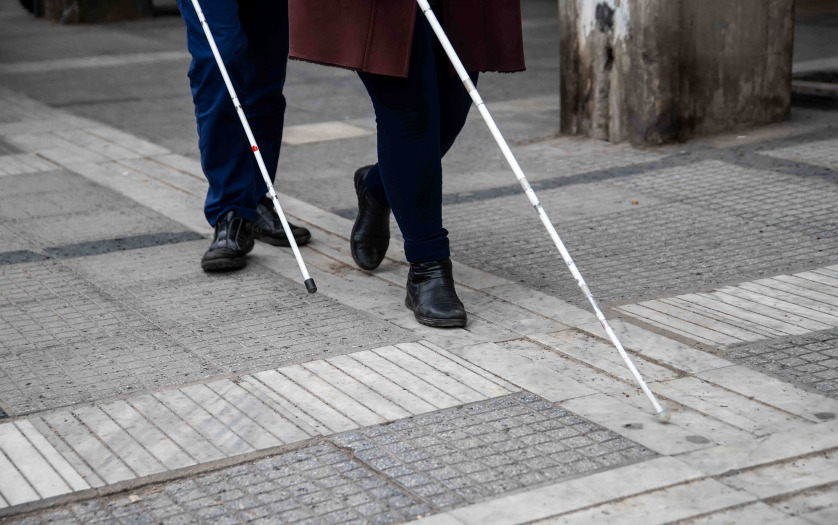
Voters with vision disabilities are concerned over the loss of privacy and independence as election officials in the U.S. plan a major vote-by-mail expansion amid fears of voting in person during the coronavirus pandemic.
In recent years of electronic voting machines equipped with technology have empowered voters with disabilities, and others with assistive needs to cast their ballots privately and independently.
“I’m back to where we started,” a news report quoted Ann Byington as saying. “I’ve lost all my freedom to be independent, to make sure it’s marked how I want it to be marked,” she added.
When the presidential primary in Kansas was held entirely by mail last month, the 72-year-old Topeka resident had to tell her husband how she wanted to vote so he could fill out the ballot for her.
In recent weeks, advocates for the blind have filed legal actions in Michigan, New York, and Pennsylvania seeking access to systems already in place to deliver ballots electronically to military and overseas voters. Blind voters could then use their computers and assistive technology to read and complete their votes themselves.
“This is about equality,” said Chris Danielsen with the National Federation of the Blind, one of the groups suing. “If a secret ballot is important to you, it’s important to a blind person, as well.”
Because of these efforts, all three states agreed to make electronic ballots available during the primaries to voters with disabilities, and more actions are likely before November.
Disability advocates said they have been calling on election officials for years to provide secure electronic absentee ballots. But only a small number of states have done so.
An estimated 7 million adults in the U.S. have a visual disability, and advocates worry that some might choose to skip voting altogether this year rather than risk catching the virus or having their ballot privacy compromised.