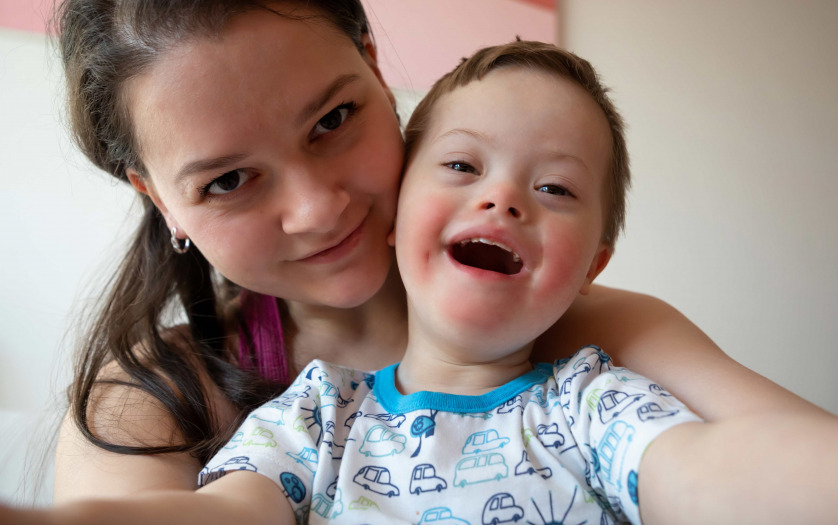
Responding to State of Mexico’s Governor Alfredo Del Mazo Maza’s call to protect the general population in the face of the COVID-19 emergency, the entity’s Secretary of Health issues recommendations to protect people with disabilities, their families, and care givers.
The agency reports that preventive measures of healthy distance must be maintained, frequent hand-washing with soap and water, not touching eyes, nose, and mouth.
They points out that it is essential to continuously disinfect the surfaces and objects that are used the most, such as a white cane, wheelchairs, crutches, glasses, walkers, boards, prostheses, telephones, tablets, and also clean service animals or guide dogs.
In this regard, the Secretary of Health, Gabriel O’Shea Cuevas, explained that people with disabilities are part of the groups with the highest risk of complications from COVID-19, so hygiene and cleanliness should be reinforced.
He said that these measures are based on the Guide for the protection of the health of people with disabilities in the context of COVID-19, and in case they feel sadness, anger, anxiety, or concern, the line 800 900 32 00 is available to provide psychological support.
Family members of people with hearing impairment are also advised to share videos of preventive measures interpreted in sign language and if they have a visual impairment, to avoid constant isolation, and to seek communication with the outside world through the use of technologies.
It is vital to have a plan in case of illness, contact the doctor or authorities assisting the patient, encourage virtual contact with support networks to coordinate good care; to explain the situation in an attitude of calm and tranquility to those with autistic condition.