Top of page
Health

Persons with disabilities need to be included in 2020 wellbeing budget

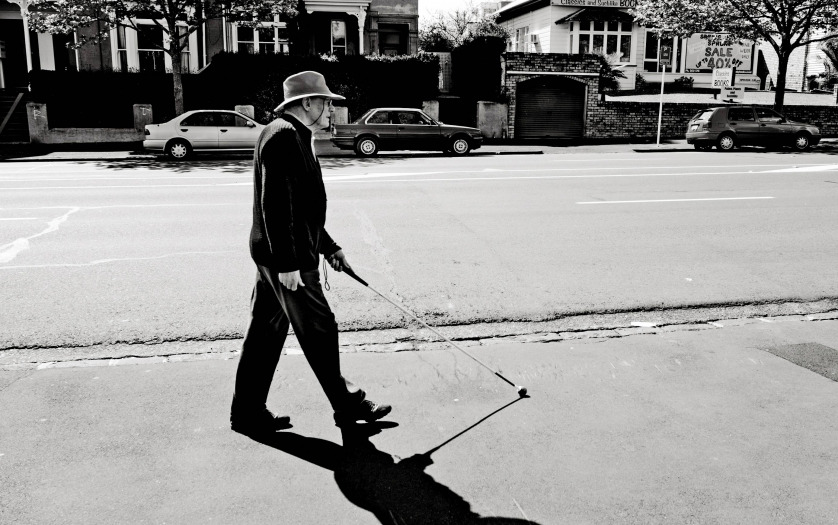
Blind man walks with a cane in Auckland street
Photo: Dreamstime

A focus on wellbeing in the budget presents a real opportunity to make a difference to New Zealanders with disabilities lives, but only if people with disabilities are explicitly included, the Disabled Persons Assembly (DPA) says.

At the Budget Policy Statement 2020 hearing this morning DPA Chief Executive Prudence Walker spoke to the Finance and Expenditure Committee about measures DPA believes need to be included in the budget to ensure people with disabilities aren’t left even further behind.

“DPA supports the overall focus on wellbeing in the budget, especially since wellbeing and health outcomes for people with disabilities and their whānau remain much poorer than the general population,” Ms Walker says.

“However, DPA is deeply concerned that if the budget does not include measures that directly benefit people with disabilities and their whānau, we will only end up seeing our community fall even further behind.

“There is an opportunity in this budget to make a real difference for people with disabilities’s wellbeing particularly for disabled Māori, Pasifika and children who experience some of the greatest inequity in our communities.”

The Budget Policy Statement confirms operating allowances of $3.0 billion in Budget 2020, $2.4 billion in Budgets 2021 and 2022, then $2.6 billion in Budget 2023.

Major investments will continue to be made in health, education, housing and social programmes to address New Zealand’s long-term challenges.
You might also like

The Build-A-Brush includes modular components that adapt as children grow, allowing kids to select the bits that appeal to them in the moment while ergonomic forms and visual cues build self-assurance, refine cognitive skills, and encourage consistency. The Build-A-Brush includes modular components that adapt as children grow, allowing kids to select the bits that appeal to them in the moment while ergonomic forms and visual cues build self-assurance, refine cognitive skills, and encourage consistency.

Build-A-Brush: Making oral health fun and easy for children with cognitive disabilities

For many children with cognitive disabilities, daily routines such as…

Teenage Girls Having Conversation Using Sign Language Teenage Girls Having Conversation Using Sign Language

NZ unveils plan to strengthen visibility and recognition of sign language

A new 10-year strategy aims to strengthen New Zealand Sign…

pregnant woman pregnant woman

New care guidelines for pregnant women with IBD

This physician-scientist’s research changed everything for women. Here’s what she…

Patients who have suffered a stroke perform recovery activities with the help of nurses in the recovery program at Hospital Patients who have suffered a stroke perform recovery activities with the help of nurses in the recovery program at Hospital

Aussies urged to not hang up on vital stroke support service

Aussies are being urged to dig deep to ensure the…