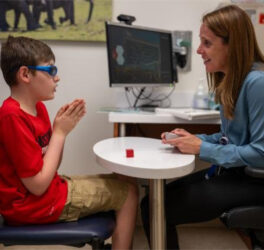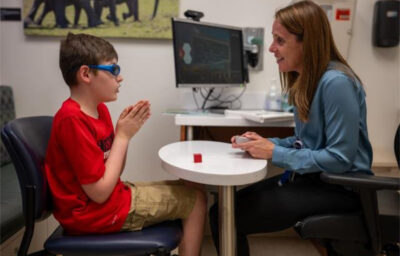
Parents of children with autism are calling for changes to mainstream health services as new research from the University of South Australia shows significant gaps in health practitioners’ knowledge, understanding and treatment practices for children with autism.
Consolidating the voices of 236 parents of children with autism across Canada, the Unites States and the UK, the study describes the experiences of families as they have accessed and used mainstream health services, finding that negative experiences have significantly outweighed positive ones.
Commonly frustrated by health care professionals’ lack of awareness of autism and how to appropriately accommodate children with autism, parents said they often felt unheard, dismissed and blamed for their child’s health issue or behaviours.
The findings come at a time when Australia’s dealings with people with a disability – including people with autism – are under particular scrutiny with the Royal Commission into Violence, Abuse, Neglect and Exploitation of People with Disability, holding a public hearing in Sydney tomorrow.
Paediatric and occupational therapy expert, UniSA’s Dr Kobie Boshoff, says the findings highlight the need for health care professionals to modify their approach and treatment of families of children with autism.
“The common message we’re hearing from parents of children with autism is that there is a critical need for change in Australia’s health care system, not only in terms of how health care professionals treat children with autism, but also how their parents are engaged throughout the process,” Dr Boshoff says.