Stephanie Cadieux, Canada’s first Chief Accessibility Officer, issued a statement following the release of her third report examining progress and outcomes under the Accessible Canada Act (ACA).
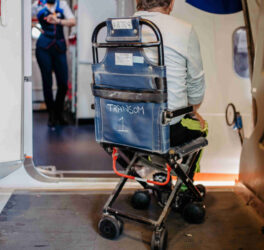
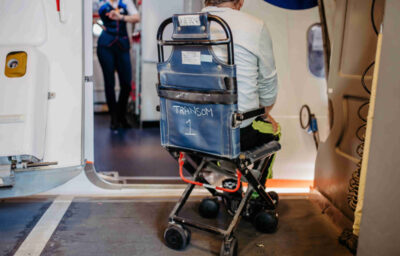
“Transportation is one of the ACA’s 7 priority areas, and for good reason. While also looking at overall outcomes in other priority areas, this report places a special emphasis on the state of accessible transportation in Canada and includes four recommendations to help speed progress and address challenges on this front.
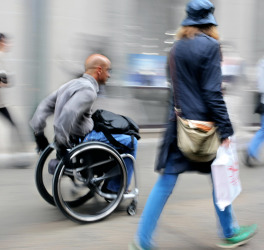
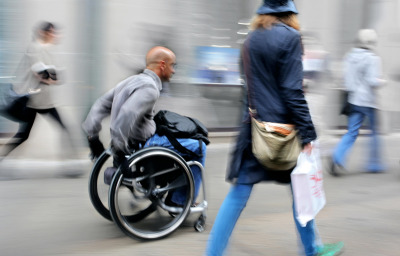
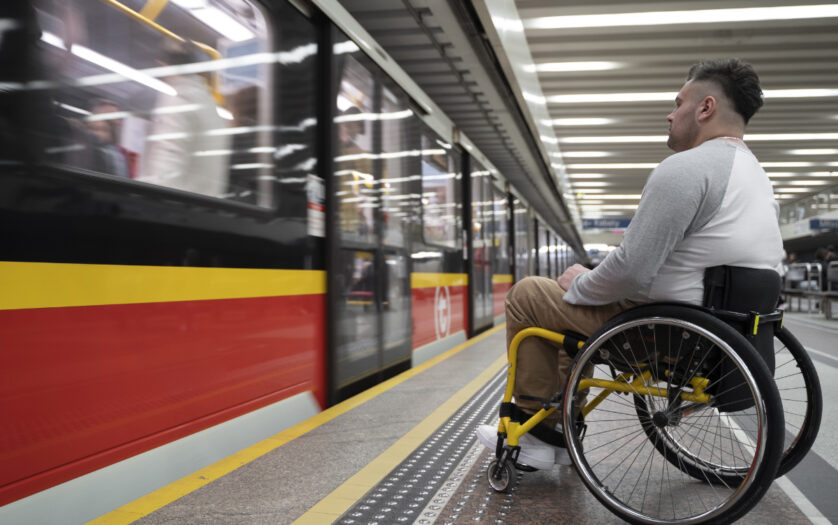
“Accessible transportation is critical for the more than 27% of the Canadian population who live with disabilities. Without it, they are excluded from participating fully in society.
“Being able to get where you need and want to go is key to quality of life, but for too many people with disabilities, reliable, accessible transportation remains unavailable, resulting in continuous anxiety and uncertainty in their day-to-day lives. If people can’t even get out the door, if just getting to work safely requires extreme effort and planning around factors and barriers beyond their control, then we are missing the mark.
“A collective effort is necessary to reach our 2040 target of a barrier-free Canada. We have to work collaboratively across jurisdictions, sectors, and areas of expertise to identify, remove, and prevent obstacles in all priority areas. Nowhere is this more critical than in transportation, which by its very nature crosses jurisdictions.
“There has been considerable progress since the ACA came into effect, but we can and must do better and move faster. Breaking down barriers for people with disabilities is as relevant and urgent as it ever was, and more action is needed across the board. Our goal is to create a Canada that includes everyone. Accessibility must be a foundational and non-negotiable cultural value if we are going to succeed in making our communities, our industries, and our public institutions inclusive, resilient, innovative, and prosperous.”