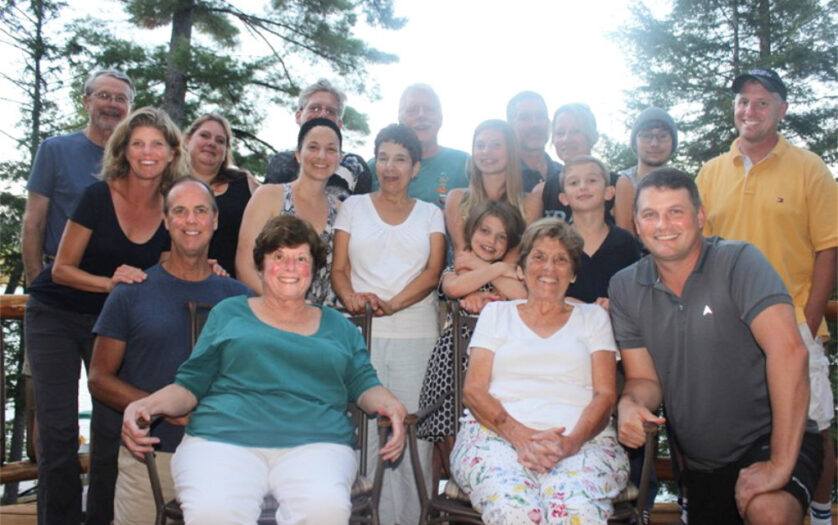
At the age of two, a diagnosis of Charcot-Marie-Tooth disease confirmed that I was the latest of six generations of my family with CMT, a rare and progressive degenerative nerve disease. Five decades later, I feel compelled to share my firsthand experience of living with a frightening condition while also taking care of aging family members dealing with even more advanced symptoms.
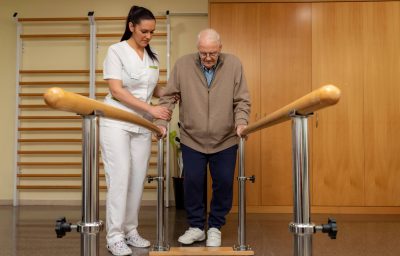
As February marks both National Rare Disease Day and National Caregiver’s Day, it seems a particularly appropriate moment to share my family’s journey. CMT affects each person and each family differently. But for many, over time, what starts as simple stumbles over one’s own feet will turn into falls, broken bones and increased pain and exhaustion. As my mother and aunt aged and their disease progressed, both have struggled to perform basic activities like laundry and cooking. My mother now uses a scooter to make getting around easier.
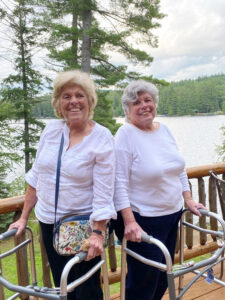 Caregiving extends beyond aiding in basic tasks. I can best describe my role as an orchestrator and advocate for their needs. That means figuring out what they specifically need and what I have the capability to do, given my own CMT. I have to acknowledge the physical limitations CMT puts on me. When my mother has a fall, an unfortunate common experience with CMT, I’m not able to just reach down and lift her up. Instead, I have to coordinate help from people nearby.
As I care for my own family, I see my own future play out in front of my eyes – and it is a terrifying and saddening reality. CMT means unavoidable progressive loss of nerve function. Caregiving for relatives with CMT has reinforced how important it is to prioritize my own health and wellness, so that I am able to better support and show up for my mom and aunt. However, while I continue to be active, prioritizing exercise, healthy eating and consistent sleep, I can’t yoga my way out of this disease progression.
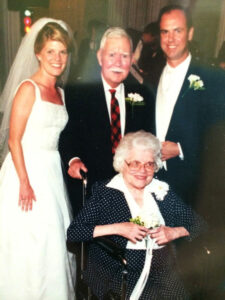 This reality led me to found the CMT Research Foundation in 2018 to push for the development of therapies and cures, none of which exist today. Having watched this disease debilitate my loved ones and knowing it is coming for me, I want to change the future if I can, for myself and for the estimated three million families affected worldwide.
Caring for loved ones, whether they face the same disease or a different one, comes with its challenges, but also incredible rewards. Here are some of my key takeaways:
There will always be good days and bad days. Your loved ones are grateful for your presence and support, but there will be times when their frustration and anger at constantly needing help will boil over. This is not a reflection on you or your relationship, but rather a natural part of navigating through rough waters together. On the more difficult days, always try your best to maintain open communication about their needs and how you can best support them.
Listen to your loved ones and trust them. It is important to truly listen to the person you’re caring for. Although my mother, aunt and I all share the same disease, there are nonetheless many times when our experiences and perspectives differ. I’ve had to learn to listen carefully to what they are saying, understand what they want and trust in their choices.
Understand the disease and the resources available. If your loved ones can’t advocate for themselves, that responsibility falls to you, the caregiver. Attending appointments, asking questions and seeking resources are essential steps for supporting both your loved ones and yourself. But you also must recognize when they want to—and are able to—make their own choices.
Taking on the role of a caregiver forces me to confront my own future; but I wouldn’t trade it. I feel incredibly lucky to still have my mom and my aunt in my life and despite the complexities, I am grateful for this time and opportunity.
 About the Author
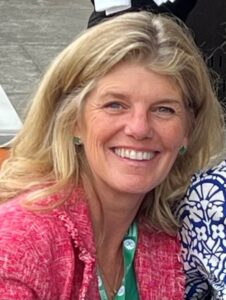
Susan Ruediger is co-founder & chief mission officer at the CMT Research Foundation.