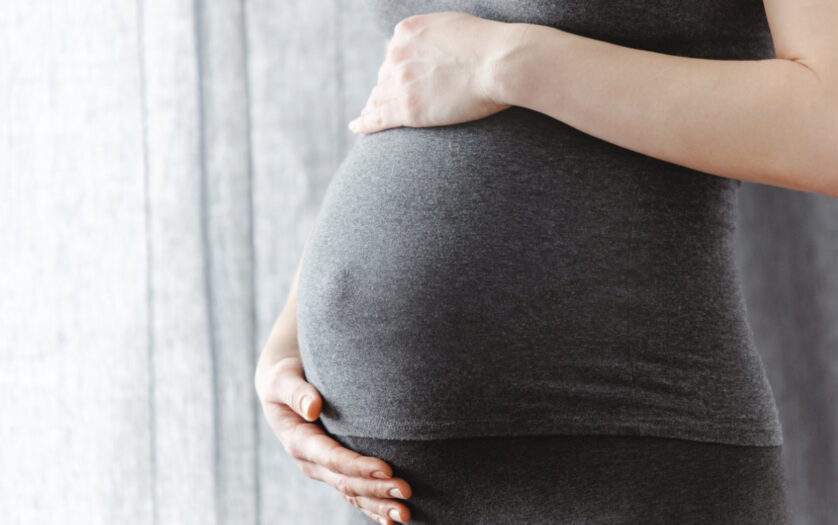
Following publication of a new systematic review and meta-analysis in The Lancet Obstetrics, Gynaecology, & Women’s Health which found no evidence that paracetamol use during pregnancy increases the risk of autism spectrum disorder, ADHD or intellectual disability among children, the MHRA has reaffirmed that paracetamol continues to be the safest option for managing pain and fever during pregnancy.
“Paracetamol remains safe to use during pregnancy. This large-scale analysis of the evidence found no link between taking paracetamol during pregnancy and autism, ADHD, or disability in children.” said Dr Alison Cave, Chief Safety Officer, MHRA.
“Paracetamol has been used for many years and is the recommended first choice for treating pain or fever during pregnancy. When taken as directed, it is safe and effective.
“As with all medicines, pregnant women should speak to their doctor, pharmacist or midwife if they have any questions, and follow the guidance provided with the medicine.”
Paracetamol is recommended as the first-choice painkiller for pregnant women, used at the lowest dose and for the shortest duration. If pain does not resolve, then patients are advised to seek advice from their healthcare professional. See NHS Guidance – Pregnancy, breastfeeding and fertility while taking paracetamol for adults
The MHRA regularly reviews the safety of paracetamol during pregnancy to ensure that the benefits to the patient and unborn baby outweigh any risks.
Patients should not stop taking their pain medicines as untreated pain and fever can pose risks to the unborn child.