Vodacom Group hosted its second Disability and Accessibility Conference on July 1, reinforcing its commitment to fostering a more inclusive digital society for persons with disabilities across Africa.
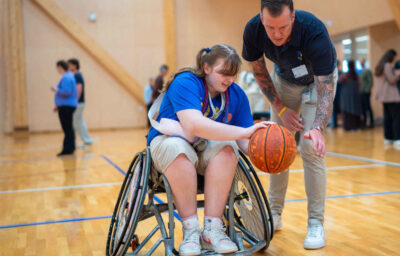
The full-day event brought together disability advocates, corporate leaders, policymakers, and accessibility experts to drive dialogue, spark innovation, and promote inclusive practices that go beyond compliance. This year’s theme, “Implementing accessibility upfront, promoting positive customer experiences,” underscored the importance of co-creating inclusive environments from the outset.
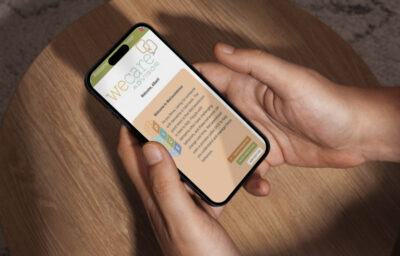
A highlight of the conference was the launch of the Blindshell Classic 2 – a specified button smartphone tailored for people with vision disabilities. Responding directly to feedback from last year’s attendees, Vodacom is making the device available in its stores, on both prepaid and contract offerings. The launch marks a tangible step in addressing affordability and availability barriers for blind and partially sighted customers.
“At Vodacom Group, true inclusion begins with understanding the daily realities of persons with disabilities and co-creating solutions that respond to their needs” said Shameel Joosub, Vodacom Group CEO. “We are proud as a leading mobile network operator to host this conference for a second year, in which we reiterate the importance of embedding accessibility at an organisational level and showcasing the role technology can play through various products and services in promoting accessibility to change lives in Africa.”
Stephen Chege, Vodacom Group Chief Officer for Regulatory and External Affairs, added: “This conference serves as a vital platform to strengthen stakeholder relationships within the disability and accessibility sphere. By sharing best practices, listening to insights and feedback from the disability community and encouraging both the public and private sectors to work together, we can shape Africa’s accessibility agenda and inform initiatives that drive inclusion for people with disabilities. This includes supporting digital innovations that overcome accessibility barriers and reviewing organisational, and broader policies that ensure no one in Africa is left behind.”
Despite progress, people with disabilities across Africa continue to face barriers to full participation in society. According to the UN Disability and Development Report 2024, persons with disabilities remain disproportionately excluded from achieving key Sustainable Development Goals (SDGs), particularly in health, education, and access to ICT.
Joosub concluded: “Empowering people through connectivity is central to Vodacom’s purpose-led strategy. Whether through assistive technologies, inclusive digital literacy programmes, or accessible customer service, we’re committed to closing the digital divide and enabling equitable participation for everyone.”