A board game through which players use images on cards to develop and tell their own stories could be particularly appreciated among people with autism as it offers a means to explain their thoughts and feelings, a new study has shown.
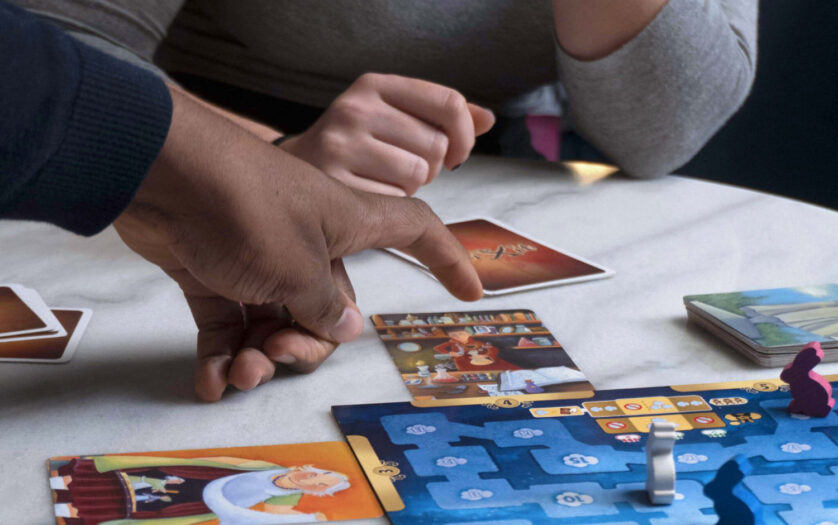
Dixit, an award-winning game published by the French company Libellud, invites participants to select one of 84 illustrated cards which they feel matches a title suggested by the designated storyteller.
For this study, researchers asked 35 autistic participants – split into groups of between five and eight – to place a card that they felt best described autism, and then being asked to explain the reasoning for their choices.
Analysing the responses, the researchers found the cards placed by participants covered three main themes:
- Challenges – where participants chose cards that spoke to the difficulties experienced by neurodiverse people, including symptoms of autism and their effects that resulted in anxiety and exclusion;
- Strengths – where participants chose cards that spoke to the unique traits of autistic people that make them excel in certain areas;
- Society – through which participants highlighted how people’s perceptions of autism created a divide between autistic and neurotypical people that exacerbated any challenges they may already experience.
Based on this, the researchers say that playing Dixit could be particularly effective for autistic people since rather than having to come up independently with inspiration, participants could use the cards to evoke emotions about their condition.
They also believe it and similar games could go some way to creating a conducive environment for learning about different life experiences, bridging the gap between autistic and neurotypical people.
“This study adds further evidence to the idea that gamified approaches might make it easier for people to talk about difficult topics. In terms of double empathy, or the ability for people with and without autism to understand each other’s lived experience, Dixit could be an important step in forming these relationships between groups. We are currently following up on this with schools to see if children can use it to more easily talk about complex topics like grief, bullying and divorce.” said Dr Liam Cross, Lecturer in Psychology
The study was published in Discover Psychology, and led by Dr Gray Atherton and Dr Liam Cross from the School of Psychology at the University of Plymouth.