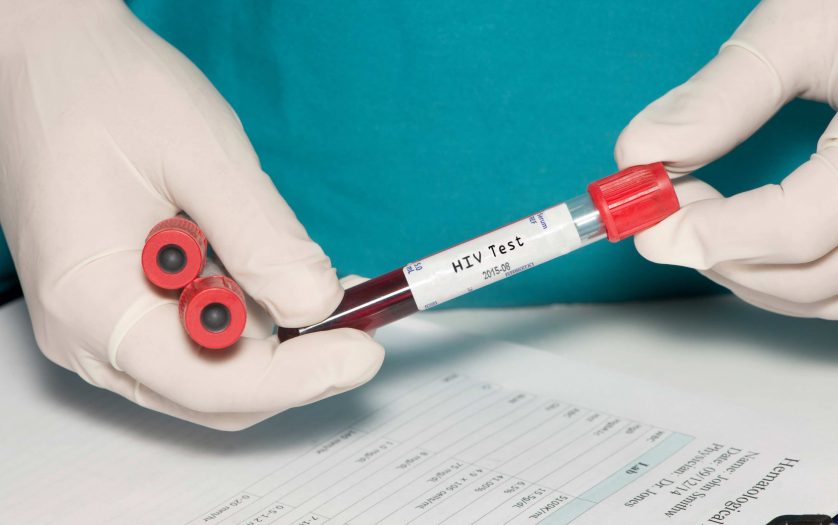
People with disabilities are often at higher risk for exposure to HIV due to barriers in engaging healthcare and other systemic factors and are thus considered a priority for prevention and testing efforts. However, these efforts don’t always extend to people with intellectual disabilities due to the perception that people with intellectual disabilities are mostly asexual.
Researchers at University of Michigan Health conducted one of the largest epidemiological studies of individuals with intellectual and developmental disabilities to closely examine where the gaps in HIV care lie and found large disparities in care for Black patients as well as for patients with autism and co-occurring intellectual disabilities.
People with autism and an intellectual disability and Black people with intellectual and developmental disabilities received worse care outcomes across the board since they were not tested as often for HIV and had disparities in receipt of HIV-related treatment.
“There is a large misunderstanding that patients with intellectual disabilities are asexual and therefore don’t require HIV testing or education,” said Tyler G. James, PhD, an assistant professor of family medicine at U-M Medical School and lead author on the study.
“This is not true and not providing proper treatment for this population leads to increases in patients with HIV and the spread of HIV.”
Of those who have an intellectual disability and HIV, 59% are Black despite the fact that Black people are just 21% of the population with intellectual and developmental disabilities.
The results of the study found that among people with HIV and intellectual disabilities, 71% were receiving antiretroviral therapy in line with global estimates in the general population.
However, only 54% of autistic adults with co-occurring intellectual disabilities and HIV received antiretroviral therapy, well below the national goal of 95%. This result aligns with past research indicating that autistic people with intellectual disabilities experience worse health and social outcomes.
In addition, people with intellectual disabilities were more likely to receive an HIV diagnosis but less likely to receive antiretroviral therapy if they had co-occurring serious mental illness or a substance use disorder.
James and his team want to use this research to spark national conversation about how to ensure patients with intellectual disabilities and other populations that are underserved are receiving proper care when it comes to HIV testing, treatment and education.
“The more we can expose how ableism works itself into our healthcare, the better we can change to improve healthcare for all patients,” said James.
“For people with intellectual disabilities, we want you to know that your experiences are seen, and it is important to continue to advocate for yourself and your sexual health. We are advocating with you.”