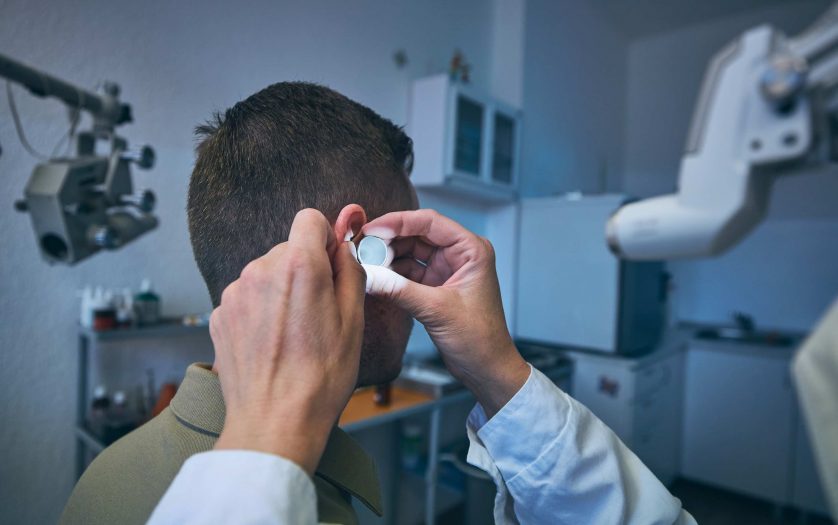
A new study has found that a significant number of people with hearing disabilities are not seeking treatment, putting their health at risk.
The study, published in the International Journal of Audiology, which surveyed over 2,000 adults in the UK, found that nearly half of the respondents with hearing disabilities had not sought help, and of those who had sought help, only 57% had received treatment. The researchers warn that untreated hearing disability can lead to social isolation, depression, and even cognitive decline, emphasizing the need for greater awareness and accessibility of hearing health services.
“We cannot afford to ignore the impact of hearing loss on individuals and society. We need to raise awareness of the risks associated with hearing loss and take action to prevent, identify as early as possible, and manage it effectively. This includes investing in hearing health research and medical education, as well as policies and public health interventions that promote hearing health.” said Dr Dalia Tsimpida, Lecturer in the Department of Public Health, Policy and Systems at The University of Liverpool, who led the study.
However, for those who recognised and reported their hearing loss and were referred for hearing loss management, a significant proportion (78.9%) expressed a willingness to try and use hearing aids.
The findings of the study highlight the need for greater awareness of the importance of addressing hearing loss and access to treatment, particularly for those who may be less likely to report their hearing difficulties.
“The high willingness to try hearing aids among those who reported their hearing difficulties highlights the importance of providing access to hearing aids and addressing any potential barriers to their use to improve hearing outcomes for patients.’’ said Dr Saima Rajasingam, a Senior Lecturer in Audiology at Anglia Ruskin University (ARU) and co-author of the study.
The findings of the study also revealed that nearly one-fifth of patients who reported their hearing loss to a primary care healthcare provider were not referred for further hearing assessment in secondary care, as recommended by the Royal College of General Practitioners (RCGP) and the National Institute for Health and Care Excellence (NICE) clinical guidance.