Diverse leadership and adaptive social protection are critical factors for resilient and sustainable risk reduction and protection against the impacts of disaster and extreme climate events. Yet structural barriers, capacity gaps, discriminatory attitudes and stereotypes continue to hamper meaningful participation of marginalized groups in decision-making around disaster risk reduction (DRR).
The 7th Session of the Global Platform for Disaster Risk Reduction (GPDRR2022) brought together around 4,000 participants from governments, non-governmental organisations, international and regional organisations, civil society, and UN agencies, representing Africa, Asia and the Pacific, the Americas, Europe, and the Caribbean.
Two thematic sessions, Diversity in DRR leadership and Leave no one behind – Empowering the most at risk through social protection, focused specifically on the need to reduce vulnerability to disaster risk, and how diverse leadership and adaptive social protection mechanisms can help ensure inclusive, risk-informed and resilient interventions at all levels.
The worst affected are the least represented in leadership
The Sendai Framework for Disaster Risk Reduction (2015-2030) calls for an inclusive, “all-of-society” approach, yet the people who are disproportionately impacted by disasters remain the least represented in DRR decision making: women, youth, persons with disabilities, older persons, LGBTQIA+, indigenous people, and migrants and refugees.
“Engaging women in leadership in DRR is not only something that we think is right, but it’s also smart because we see inclusive leadership does produce better results,” said Sarah Knibbs, Officer-in-Charge for UN Women Asia-Pacific.
Moderated by youth activists, the session highlighted the importance of active inclusion of young people in implementing Sendai Framework. Young participants can mobilize and energize decision-making processes at the local and community levels.
Adaptive protection for the most vulnerable
Adaptive social protection provides a safety net to help mitigate risks faced by individuals and communities in advance of shocks. However, 4.1 billion people have no access to social protection, with less than half of the global population covered by at least one social protection benefit, according to the World Social Protection Report 2020-2022.
During the COVID-19 pandemic, 222 countries or territories planned or implemented a total of 3,333 social protection measures to support populations in their efforts to cope with the socio-economic impacts of the pandemic, according to a recent review by the World Bank. Yet these measures still do not include everyone, and the most marginalized people are those who are usually excluded. This serves to further exacerbate inequalities.
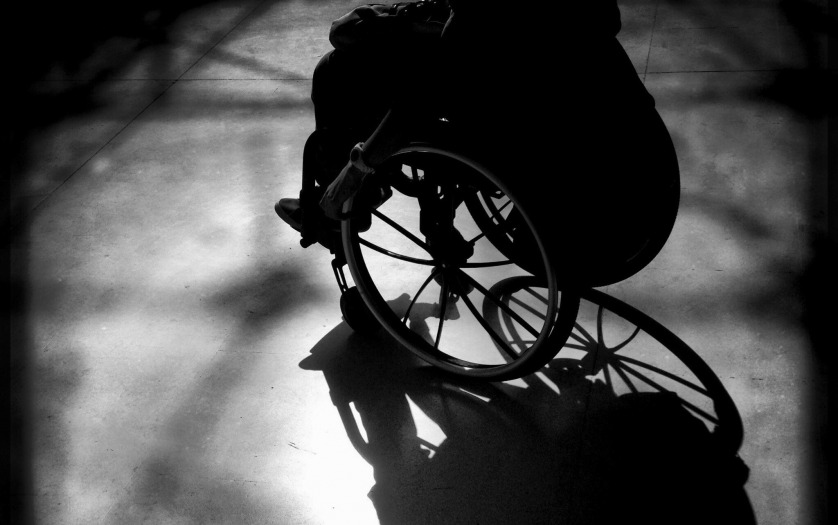
Persons with disabilities are often amongst the most excluded and marginalized.
“Legitimate participation is still a barrier for persons with disabilities. We have updated our slogan from ‘nothing about us, without us’ to ‘nothing without us,’” said Marcie Roth, Executive Director and Chief Executive Officer for the World Institute on Disability.
Growing evidence shows that social protection can drive and sustain investments in human capital – including food security, resilience and economic development – as a solid basis to build forward better.
When they are inclusive and accessible to all, adaptive and disaster-responsive social protection systems are also effective tools to buffer against socio-economic crises.
Victoria Salinas, Acting Deputy Administrator of the US Federal Emergency Management Agency stressed: stressed that we need to re-examine the way we do business, by looking through “an equity lens.”