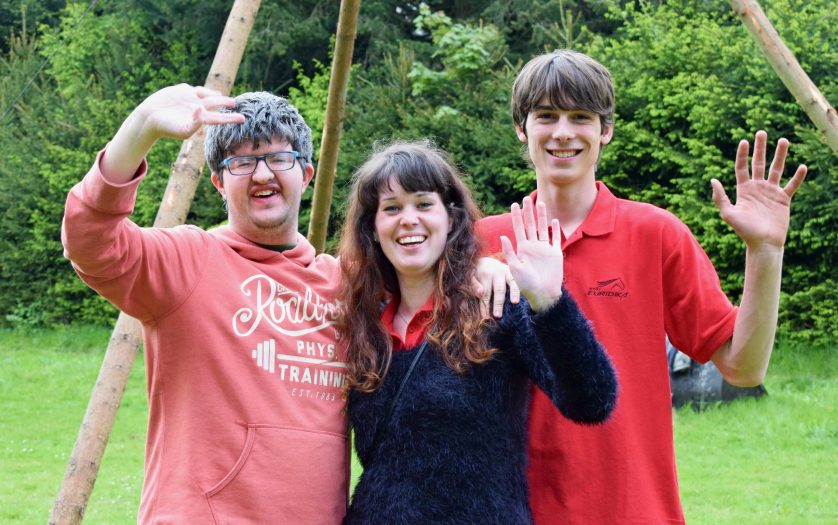
Disabled learner voices heard through new Te Pūkenga research shows learners with disabilities need a safe, accessible, and supportive learning environment to flourish. Building the disability confidence of staff and enabling more academic and employment pathways will make their learner journey worthwhile.
Te Pūkenga has released two further Te Rito reports, providing insights into the current experiences of Pacific and disabled learners in vocational education. This research builds on the first report focused on all learners, particularly Māori learners. A series of personas – imagined characters based on real-life learner research – accompany the reports to deepen understanding of the needs of learners and those supporting them.
Te Rito, Insights from disabled learners looks at the barriers faced by learners with disabilities, who are one of the most educationally disadvantaged groups in Aotearoa.
Deputy Chief Executive Learner Journey and Experience Tania Winslade says: “With the right support, disabled learners are just as likely to complete their tertiary qualification as non-disabled people. We need to enable more academic and employment pathways to support our underserved learners.”
“When we consider 24 percent of us will have an impairment lasting six months or more, enabling success for disabled learners impacts significant numbers of learners and staff. Access to the right learning supports makes an enormous difference to their academic achievement and life in general.”
Te Rito reports help to better understand the vocational learner’s journey and experience in Aotearoa through their voices and those that support them. These reports are informed by 315 participants in 45 focus groups from Whangarei to Invercargill. These reports help to ensure future decision-making and solution design meets learner-determined needs, aspirations, and motivations.
“We are excited for the future, removing barriers, improving accessibility, and building connectivity for all, especially our traditionally underserved learners. We are now developing an action plan to address Te Rito recommendations for incorporating into network-wide strategy,” says Tania.