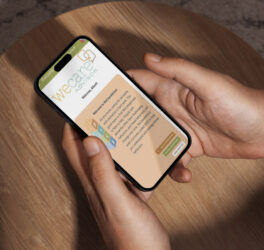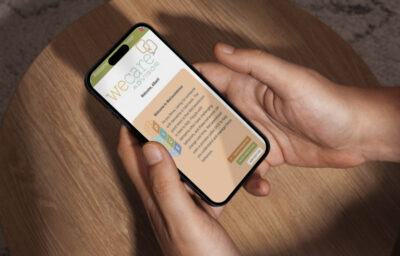
The Institute for Research on Well-being Policies (Poliwelfare) of the University of Valencia has developed the Mind Inclusion 2.0 App to promote the inclusion of people with intellectual disabilities in public places.
People with intellectual disabilities often experience difficulties and psychological barriers to access public places. Furthermore, it is increasingly important to include new tools based on ICTs in social workers’ and educators’ daily work. The Mind Inclusion 2.0 project aims to promote the creation and use of an innovative app that contributes to the sustainable and inclusive participation of people with disabilities in society.
As explained by the researchers, the project intends to improve the cooperation and exchange of experiences among organizations that work with people with intellectual disabilities in the EU and improve people’s digital competencies with intellectual disabilities, educators, and social workers. Furthermore, the project attempts to promote the use of the developed app, encouraging social inclusion and people with intellectual disability self-reliance.
Likewise, the project develops and shares practices and methodologies to build inclusive communities. To achieve these goals, project Mind Inclusion 2.0 has developed a mobile app that is cognitively accessible, which allows people with disabilities to find leisure options in their community.
The innovative aspect of the project is based on the use of participative and co-creation methodologies in the app design and development stages to develop a product adapted to their needs.
The project, which began in September 2018, is funded by the Erasmus+ programme, action KA204, and strategic associations in education for adults.
The Mind Inclusion 2.0 app is already available in the Google Play Store in five languages (Spanish, English, Italian, French, and Lithuanian).