Online tools and assessments can help speed up diagnosis of autism, the first comprehensive survey of research in the field has concluded.
The survey showed that using internet-based tools in healthcare – a field known as telehealth – has potential to improve services in autism care, when used alongside existing methods.
The research, published today in PLOS ONE, was conducted by a team led by experts from Swansea University Medical School. The results are timely as the COVID-19 pandemic is prompting fresh thinking about providing services online.
Currently it can sometimes take several years after someone first seeks help before autism diagnosis is confirmed. This can be due to a shortage of expertise, to several appointments being necessary, and the fact that the process can be very stressful for individuals who might later be diagnosed with autism. As these are specialist services, they can also require lots of traveling for families and experts alike.
Delays in diagnosis can lead to poor outcomes for both the families and individuals.
Telehealth is already used successfully in areas such as radiology, cardiology, mental health, and for monitoring patients with diabetes and hypertension. However, the new study is the first to review the existing literature on the use of telehealth to support ASD diagnostic assessment.
The research team surveyed twenty years’ worth of research in fields related to autism and telehealth, narrowing down an initial sample of 3700 articles to a set of ten for close study.
They examined which telehealth approaches have been used in the diagnosis and assessment of ASD in children and adults and how they compare with face-to-face methods.
The review revealed two main approaches to using telehealth:
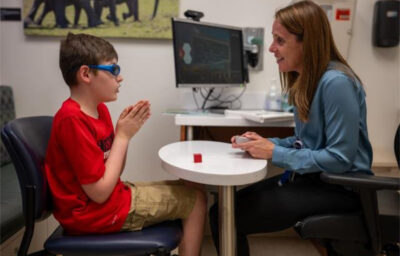
- Real-Time method—for example, videoconferencing, which enables a range of health professionals in different areas to meet in real time with the family to assess the child or adult, reducing the need for travel or multiple appointments
- Store-and-Forward method—this involves providing a way for parents/carers to upload videos of a child’s behavior to a web portal, enabling clinicians to see a child in their everyday surroundings, to better inform the assessment.
The team found evidence that these two approaches: are acceptable to both families and clinicians; have good diagnostic accuracy; enable families from a wider area to access professionals; reduce costs for accessing care; enable the natural behaviors in the home setting to be observed; may enable both parents in divorced families to contribute to the diagnostic process.