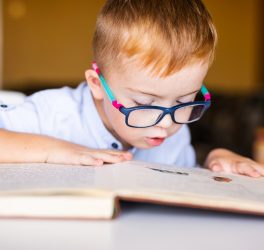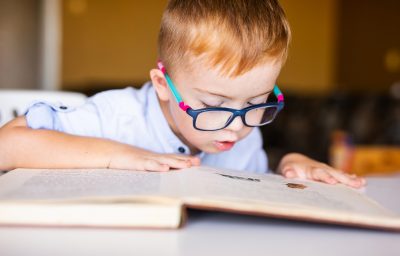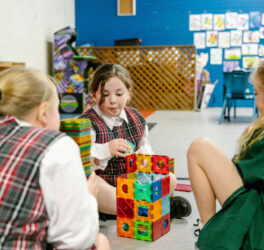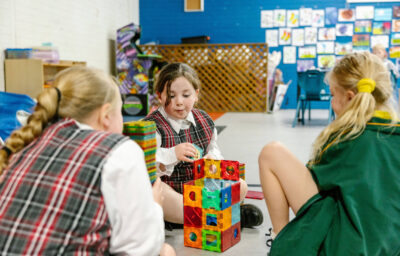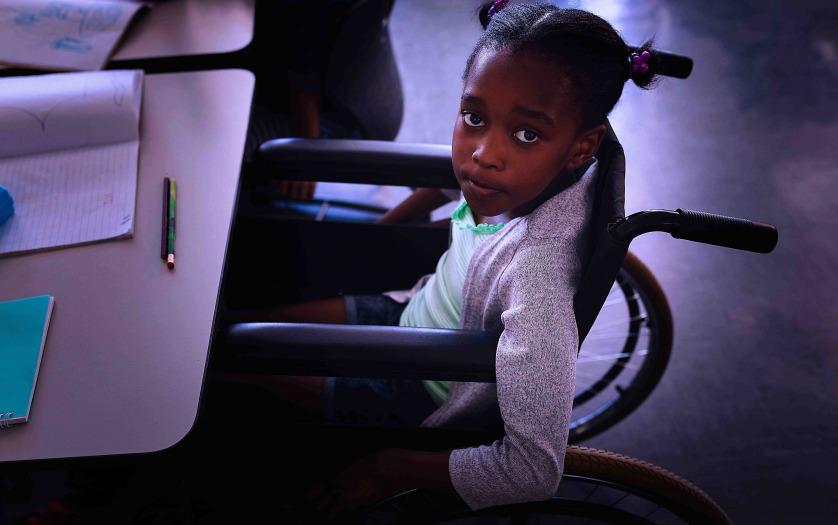
“Ensuring an inclusive return to school for children with disabilities” provides guidance on critical considerations and actions that should be undertaken to ensure an inclusive return to school for children with disabilities, as children return to school after the temporary closure of schools due to the COVID-19 pandemic.
The guidance has been produced by CBM Australia for UNICEF’s East Asia and the Pacific Regional Office and UNICEF Australia. The document is intended for UNICEF staff, education policy makers and planners in the East Asia and Pacific Region.
The COVID-19 pandemic brought about school closures in almost all countries in the East Asia and Pacific Region and negatively affected the education of more than 360 million children. The rapidity and scale of the educational disruption is unparalleled and threatens the progress achieved in access and learning; millions of children are likely to suffer a loss or regression in learning. Children with disabilities and children who rely on classroom support staff or who use learning aids and equipment which were not made available at home during school closures are more likely to have missed out on their learning and are particularly at risk of completely dropping out of their education the longer the school closures continue.
These COVID related education challenges are compounded by the barriers children with disabilities faced before the pandemic. Before the COVID-19 pandemic children with disabilities faced serious barriers to attaining quality education. Children with disabilities are significantly less likely than their peers to attend primary school; one out of two children with disabilities is out of school. In some countries, the enrolment rate of children with disabilities in primary school is less than 1%. Segregated models of education delivery dominate where learners with disabilities are taught in special schools despite the significant progress in transitioning to systems that are more inclusive.
Limited understanding and negative attitudes towards disability primarily push the education system in this direction. Even when children with disabilities are enrolled in the formal school system, they may be taught separately in ‘special classrooms’ and/or do not receive quality instruction.