The Ontario government is introducing new and amending some emergency orders under subsection 7.0.2 (4) of the Emergency Management and Civil Protection Act to better support Ontario’s long-term care homes and deafblind community.
The orders would allow for the redeployment of staff to ensure they can work where they are needed most during the COVID-19 outbreak.
The government is also amending an emergency order to help ensure food security for some individuals and families during the pandemic.
“Our long-term care homes are under attack or at high risk of an attack from this deadly virus,” said Premier Doug Ford. “That’s why we are continually shoring up our defences and fortifying the iron ring of protection around these vulnerable seniors and staff. These new emergency orders will allow us to get even more boots on the ground in our long-term care homes, and ensure those with visual or hearing disabilities continue receiving the support they deserve.”
The new and amended emergency orders being introduced will:
- Allow health service providers, including hospitals, to temporarily reassign frontline staff to provide services and supports in long-term care homes.This will help to quickly provide much-needed staffing support to long-term care homes while they continue to fight outbreaks.
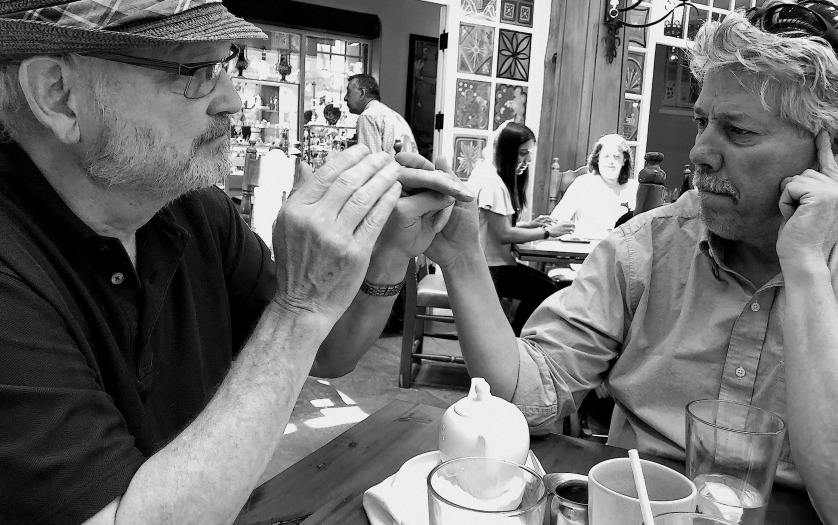
- Provide staffing flexibility to service providers and employers in the intervenor services sector, which helps people who have a combined loss of hearing and vision. This will give employers the temporary authority to redirect staff to carry out essential tasks to support and protect people who are deafblind. It will also ensure staffing measures are in place to allow for physical distancing.
- Permit the use of allotment gardens and community gardens across the province. These gardens are an essential source of fresh food for some individuals and families, including those who face food insecurity. Local medical officers of health will provide advice, recommendation and instructions that the gardens must meet in order to operate, such as physical distancing, and cleaning and disinfecting commonly used equipment and surfaces.