Top of page
Health

Hong Kong launches project to improve end-of-life care for persons with disabilities

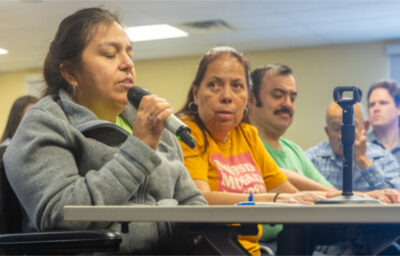
The Club’s Head of Charities (Positive Ageing & Elderly Care; and Healthy Community) Imelda Chan (3rd left) poses for a photo with a beneficiary of JCECC: Unison (3rd right) and other guests.

Hong Kong has launched a new initiative to improve end-of-life care for persons with disabilities. Backed by a HK$290 million donation from the Hong Kong Jockey Club Charities Trust, the five-year project aims to support thousands of persons with physical or intellectual disabilities.

Named the “Jockey Club End-of-Life Community Care Project: Unison,” (JCECC: Unison) the scheme expands on a 2016 program that focused primarily on elderly care. This new phase broadens the scope to include persons with disabilities and those recovering from Mental health issue —groups that often face gaps in end-of-life support.

According to the Hong Kong Census and Statistics Department, there are over 530,000 persons with disabilities in Hong Kong, including those with physical disability or in mental recovery.  About 70% of them are aged over 50. The city is also home to an estimated 77,000 to 90,000 persons with intellectual disabilities. However, palliative and end-of-life care for persons with disabilities remains underdeveloped both locally and globally.

The project will offer home and community-based services, including symptom relief, psychological support, caregiver training, and help with advance care planning. Organizers expect to reach over 7,000 individuals and train more than 14,000 healthcare and social service professionals.

The initiative brings together several major partners, including the University of Hong Kong, Chinese University, Caritas, and the Hong Chi Association. It also includes public outreach to raise awareness of end-of-life issues often overlooked in mainstream healthcare.

You might also like

The Build-A-Brush includes modular components that adapt as children grow, allowing kids to select the bits that appeal to them in the moment while ergonomic forms and visual cues build self-assurance, refine cognitive skills, and encourage consistency. The Build-A-Brush includes modular components that adapt as children grow, allowing kids to select the bits that appeal to them in the moment while ergonomic forms and visual cues build self-assurance, refine cognitive skills, and encourage consistency.

Build-A-Brush: Making oral health fun and easy for children with cognitive disabilities

For many children with cognitive disabilities, daily routines such as…

pregnant woman pregnant woman

New care guidelines for pregnant women with IBD

This physician-scientist’s research changed everything for women. Here’s what she…

Patients who have suffered a stroke perform recovery activities with the help of nurses in the recovery program at Hospital Patients who have suffered a stroke perform recovery activities with the help of nurses in the recovery program at Hospital

Aussies urged to not hang up on vital stroke support service

Aussies are being urged to dig deep to ensure the…

The image of the human brain The image of the human brain

Dementia now Australia’s leading cause of death, ABS reports

The latest data from the Australian Bureau of Statistics (ABS)…